When you start planning your next move, don’t forget that your pets feel every bit of the change. Loud noises, unfamiliar smells, and shifting routines can confuse them. If you want to avoid behavioral problems or anxiety, you must take the time to prepare your pets for a household move. Doing so doesn’t require a complex system—just consistency, attention, and a bit of extra care.
Help your pet get used to the change
Early preparation reduces stress for both you and your pet. Even small steps can make a big difference. If you’re feeling overwhelmed, your pet likely is, too. Keeping daily routines intact is a great way to build a sense of stability before the boxes come out. Try to:
For example, if your dog usually walks at 7 a.m., keep it that way. Feed your cat in the same spot and at the same time every day. Pets notice when those patterns shift. That’s why routine is more powerful than you may think.
Next, introduce moving supplies slowly. Avoid stacking boxes overnight. Instead, bring them in a few at a time. Place them where your pet can see and smell them without being startled. Some animals need a few days just to accept that new objects are staying in their space.
Also, bring out the travel crate early. Leave it open with a soft towel and a treat inside. Encourage your pet to sniff and explore it. Over time, your pet will associate the crate with safety—not a sudden, forced trip.
If you’re moving in with your partner, consistency becomes even more important. Pets don’t just adjust to a new place—they also have to adjust to new people and routines. To ease that process, try to:
- Share feeding, walking, or playtime responsibilities equally.
- Agree on consistent schedules before the move begins.
- Let your pet gradually spend more time with your partner.
- Use a calm tone and familiar words to keep things predictable.

Keep pets calm and secure during packing day
As packing day arrives, stress levels often climb. But your pet doesn’t know what’s happening. All they see is noise, movement, and their humans acting differently. For that reason, you need a solid plan to keep them relaxed and out of danger.
Start by choosing one quiet room for them to stay in during the main packing phase. Put their bed, favorite toys, and water in the room. Make sure they feel safe there, and check on them often. You may want to play calming music or close the curtains.
It’s easy to forget about feeding times during a hectic move. Try not to skip meals or delay walks. These breaks give your pet a sense of normalcy. If you miss a feeding, your pet may think something is wrong. That adds to their anxiety.
Next, avoid loading their supplies into the moving truck. You should pack a separate bag with everything your pet needs for the first few days. That includes food, a leash, medication, and a blanket that smells like home.
If you’re working with moving companies northern VA residents rely on, tell them ahead of time that you have pets. While most movers are careful, your pet’s safety is ultimately your job. Keep them secure and out of busy hallways or open doors.
Also, don’t assume your pet will act like themselves. Stress affects animals in unpredictable ways. Even a calm cat might scratch or hide. Dogs might bark more or refuse to eat. These reactions are temporary—but they are signs that your pet needs time and patience.
To reduce that stress, prepare your pets for a household move as early as possible and don’t overlook their emotional needs. It matters just as much as packing your own essentials.
Can movers help move your pet? Here’s the truth
During a move, many people assume the moving crew will handle everything—including the family pet. That’s not the case. Most moving companies will not and should not transport animals. Trucks are hot, noisy, and full of shifting boxes. Pets can’t be safely crated or secured in that environment.
Instead, you’ll need to plan separate travel arrangements. If you’re using moving companies DC area residents trust, ask in advance about their policy. They may offer advice, but they won’t transport your cat or dog. You need to decide between professional pet transport services or driving your pet yourself.
Some families choose pet relocation companies. These services specialize in air or ground transport for animals and are usually licensed and insured. If you’re moving far, especially across states or abroad, this may be worth exploring. But always do your research first.
On the other hand, short-distance moves are usually best handled personally. Driving your pet yourself allows you to monitor their condition. You can stop when needed, offer water, and adjust as you go. That level of attention makes a difference—especially for older or anxious animals.
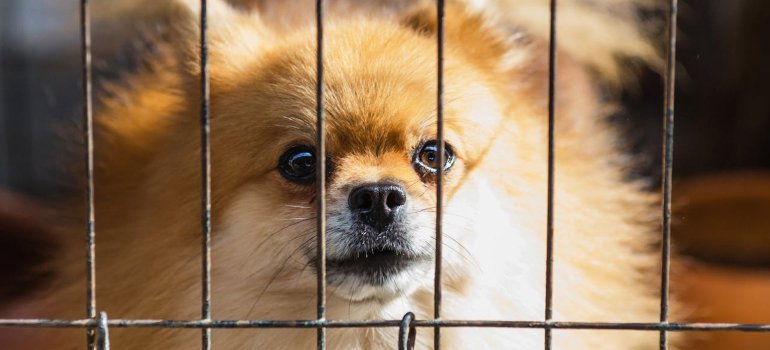
Traveling safely with your pet
Travel day often brings the highest level of stress for pets and owners alike. That’s why it’s smart to prepare well in advance. Before heading out, make sure your pet’s ID tags are up to date. If they have a microchip, check that your contact details are correct in the registry.
It’s also important to choose a crate that’s both secure and breathable. Your pet should be able to lie down and turn around without difficulty. For longer trips, pack essentials like water and one familiar item—maybe a blanket that still smells like your old place. That familiar scent can offer surprising comfort during such a big change.
If you’re driving, build in breaks for short walks, bathroom stops, and light snacks. Avoid giving your pet a full meal right before leaving, especially if they tend to get carsick. Smaller portions spaced out during the day usually work better.
Now, if you’re leaving from Falls Church, you might think moving companies Falls Church VA could take care of everything, pets included. But as we stated earlier, that’s not how it works. While these companies are great at handling fragile antiques and narrow staircases in historic Falls Church homes, your pet will still need separate transportation. Be sure to plan that part yourself.
Air travel comes with added steps. Some airlines enforce rules about crate sizes, cabin temperatures, and restricted breeds. Always contact them directly and go over their latest requirements. Small details can make a big difference.
You will also need to help pets adjust to the new home
Once you’ve arrived, don’t expect your pet to settle in overnight. This is a process. Start by setting up a small, quiet room with their food, bed, and a few familiar items, while the rest of the house is being accommodated with the help of long distance moving companies Northern VA relies on for consistent results. Let them explore that area before introducing other rooms.
Keep feeding and walking times consistent. If possible, place furniture or rugs in a similar layout to the old home. Familiar smells and routines create a sense of stability, which lowers stress.
Watch for warning signs. Hiding, barking, refusal to eat, or house accidents may occur. These behaviors don’t always mean something is wrong. Often, it’s just part of adjustment. Still, stay observant. If problems continue, speak to a vet or behavior specialist.
Prepare your pets for a household move by making sure their physical and emotional needs come first during this stage. Even a confident animal can become uneasy in a new place.

Take it one step at a time
Moving with pets isn’t impossible, but it does require you to slow down and pay attention. Pets don’t have the context we do. They rely on the importance of routine, tone of voice, and familiar smells to feel safe. That’s why it’s so important to actively plan ahead. If you wait until the last minute, your pet suffers most. Instead, take small steps each day. Use what you’ve learned here and make thoughtful choices. Prepare your pets for a household move like you would prepare a child—carefully, with patience and awareness. When you stay calm and consistent, your pet is more likely to feel safe, too.