For many people, moving to a state with no income tax feels like an easy way to hold on to more income. The idea of receiving your full paycheck without state deductions sounds appealing. Yet this decision requires more than a quick calculation. You must weigh both financial details and lifestyle realities. Without careful evaluation, the move may cost more than it saves. Choosing wisely ensures your relocation brings long-term benefits instead of short-term surprises.
What are the states with no income tax?
Across the United States, only nine states currently waive income tax: Alaska, Florida, Nevada, New Hampshire, South Dakota, Tennessee, Texas, Washington, and Wyoming. Each of these states attracts people who want to lower personal tax obligations. Some are popular retirement destinations, while others appeal to younger workers seeking growth.
At first glance, the savings look attractive. Yet you must also consider what these states offer in return:
- Florida draws many because of sunshine and access to beaches.
- Texas appeals to professionals in tech, energy, and healthcare.
- Washington offers opportunities in aerospace and technology.
- Nevada highlights expanding business and entertainment markets.
- Each state has distinct cultural and lifestyle differences.
Still, no two states are identical in what they provide.
In fact, relocation to any of these places demands planning and realistic expectations. If you currently live in the capital region, expert support from local movers DC can simplify the process. With trusted movers handling logistics, you can focus on evaluating tax and lifestyle differences before making your decision.
The potential savings
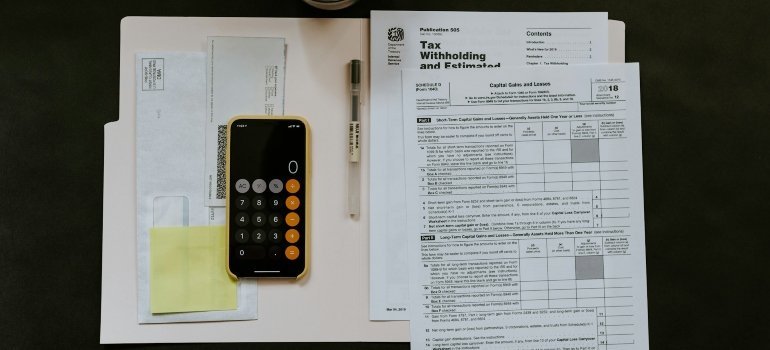
When no state income tax is deducted from your paycheck, you naturally keep more. A household earning $50,000 a year could save over $2,000 annually compared to living in a high-tax state like California or New York. For those earning six figures, savings can climb to $10,000 or more each year. These numbers sound exciting and make the move tempting.
Yet savings are not equal for everyone. A single professional might save faster than a large family, since housing, food, and medical costs vary. Over a decade, the difference can feel massive. Extra funds might cover a down payment, student loans, or investments. For those seeking long-term security, this prospect holds real weight.
At this point, it becomes clear why moving to a state with no income tax has such strong appeal. You are not only keeping money but also gaining flexibility. You may choose to spend it on better housing, retirement savings, or even travel. However, to understand the full picture, you must also explore expenses that quietly drain these savings.
For example, when planning such a large relocation, professional assistance makes the transition smoother. Hiring interstate movers DC allows families and individuals to handle the distance with confidence. While movers help with logistics, your focus stays on the numbers that matter most.
Hidden costs that could offset the savings
Tax-free states often balance budgets with other forms of taxation. Texas and New Hampshire charge some of the nation’s highest property taxes. Nevada and Tennessee depend on steep sales tax rates that raise daily expenses. Washington, though free from income tax, applies higher fuel taxes and unique business taxes that affect consumer prices. During this adjustment, one way to manage costs is to use the benefits of renting short term storage units. Storage allows you to pause housing commitments while you compare tax burdens and living expenses, protecting both your belongings and your budget.
As you evaluate, remember that high insurance premiums in coastal Florida can reduce savings. Rising housing costs in Texas leave families paying more in rent or mortgages. Utilities shift with climate, meaning hotter regions can bring larger electricity bills. Healthcare expenses also vary widely across states, further shaping your financial outlook.
Therefore, while income tax savings appear simple, the full reality is complex. Without proper research, budgets may stretch instead of improve. Reviewing property tax rates, insurance costs, and local living data helps you avoid surprises.

Lifestyle considerations beyond taxes
Taxes may capture attention, but life decisions extend beyond tax brackets. When moving for a job with a family, career opportunities, schools, housing, and healthcare all play major roles. Some tax-free states lean on tourism or energy, while others emphasize tech or logistics, making the match between your profession and location critical.
At the same time, families often weigh education and community support. A state that promises strong tax savings may not always deliver top schools or accessible services. Housing affordability also shifts quickly in fast-growing regions, so both rental and purchase markets need attention. Climate and cultural fit shape daily comfort, and ignoring them may create challenges.
Relocating with children or a partner adds layers of complexity. Tax savings remain important, yet family stability, comfort, and long-term well-being should hold equal weight in your decision.
How can a professional moving company help?
Every long-distance move involves challenges. Packing, transportation, and timing create stress if managed alone. A professional mover reduces uncertainty and helps protect belongings. When you relocate across several states, having a reliable team makes a major difference.
Therefore, investing in expert help often pays for itself. Professional movers can handle fragile furniture, bulky items, and detailed planning. With their guidance, your focus remains on settling into your new life. Safe transport is critical when you want peace of mind.
At this stage, selecting the right company becomes essential. Choosing A2B Moving and Storage ensures you work with experienced movers who know how to manage long-distance relocation. They make the process smoother so you can focus on future financial and personal goals.
Is moving to a state with no income tax really worth it?
The headline savings often convince people to pack up and move quickly. Yet a wise decision must balance money and lifestyle. States without income tax may still challenge residents with high housing costs, expensive insurance, or weaker public services. On the other hand, they may also offer warmer weather, better opportunities, or larger homes.
Thus, the real question is about value, not just tax reduction. If the new location supports your career, family, and goals, the savings become more meaningful. If it creates higher costs elsewhere, the tax benefit weakens. You must measure every detail and avoid short-sighted choices.
When you think actively and compare numbers with lifestyle, the choice becomes clearer. Do not let the promise of savings overshadow the broader picture. Consider not only the budget sheet but also how daily life will feel. Research all of this before you hire Washington DC movers to leave the capital, or local movers from the area you are moving into!

Make a smart relocation decision
In the end, moving to a state with no income tax can save thousands each year, but numbers tell only part of the story. You should review housing, insurance, schools, and career paths before committing. Tax savings may help, but life satisfaction decides long-term success. Act with knowledge, weigh every factor, and move with intention. By doing so, you will not just relocate—you will thrive.