Carrying large furniture through narrow spaces requires careful planning and strong focus to avoid accidents or damage during stressful moving days. Moving oversized items through tight doorways and staircases often causes scrapes, dents, or painful injuries without proper preparation and safety measures. Creating a strategy helps protect both furniture and property while reducing the physical strain for everyone involved in difficult moving processes. Local assistance from movers DC area provides reliable support for challenging spaces that complicate even the most routine household moving efforts. Awareness of risks prepares teams for heavy lifting and creates an organized approach to minimize dangerous mistakes under pressure.
Assessing the space
Understanding potential hazards makes it easier to plan safe methods and identify when professional movers may offer the right solution. Each successful move depends on patience, preparation, and tools that allow homeowners to manage heavy furniture through tight or restrictive layouts. Households experience less stress when they practice clear planning before attempting difficult moves through hallways, doors, or narrow staircases. These safety tips combine practical techniques with real experience from moving professionals who routinely handle oversized furniture inside homes with restricted space.
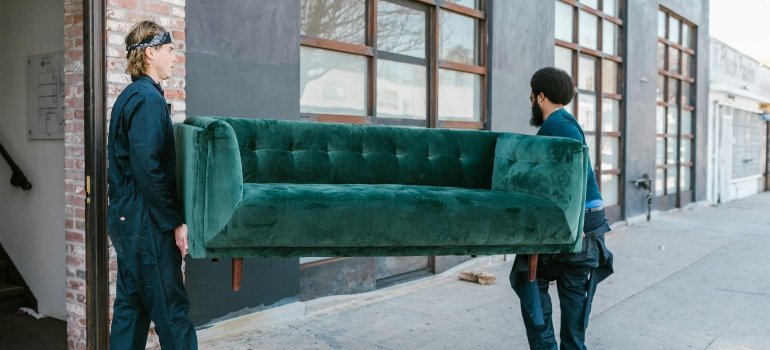
Careful assessment of space always determines whether furniture can pass safely through doors, hallways, and staircases without causing problems or damage. Using a tape measure on every doorway and hallway confirms actual dimensions and prevents surprises during stressful moves with heavy furniture. Marking measurements in a notebook helps movers compare dimensions against furniture size and decide whether disassembly may be required before carrying. Furniture movers Washington DC frequently stress that early measurements save time and avoid unexpected issues during moves in apartments or historic properties.
Planning the move
Movers Stafford County often encounter older homes where door frames or staircases create narrow passages requiring thoughtful strategies for large furniture placement. Identifying obstacles like ceiling fans, handrails, or decorative moldings provides foresight into potential snags or clearance issues along the moving route. Walk through the entire path before lifting furniture to confirm no clutter shoes, boxes, or other items, that block the moving process. Clearing paths in advance ensures safe footing and steady movement while reducing the chance of dangerous falls or costly property damage. Planning the route and communicating clearly with helpers reduces confusion when tight corners or sharp turns demand coordinated and synchronized movements together. Accurate assessment saves effort by preventing stuck furniture and avoiding stress for movers who need confidence while carrying oversized items.
Choosing the right equipment
Moving large furniture through tight areas becomes safer with the correct tools that reduce weight strain and provide stability for each move. Dollies with strong wheels distribute weight evenly and allow smooth rolling movement through hallways without forcing strain onto the mover’s body. Sliders placed under legs reduce friction and let heavy furniture glide smoothly across hardwood or tile floors without scratches or gouges.

Adjustable straps secure furniture to dollies or bodies for controlled lifting and better balance throughout narrow paths or tricky staircases. Protective gear, including gloves, back supports, and knee pads, helps movers protect themselves while handling oversized items through awkward, narrow spaces. Movers Virginia frequently recommend specialized lifting straps that improve leverage and reduce the need for dangerous bending during challenging heavy moves.
The emotional side of it all
Emotional transitions also feel heavy, which is why practical advice connected to tips for moving out after a long relationship matters. Using the right moving tools provides both physical and emotional support during stressful times, where safe handling protects health and personal belongings equally. Keeping a basic kit of sliders, straps, blankets, and small tools ensures constant preparedness for unexpected obstacles that appear during moves. Professional moving crews always highlight that equipment is not optional but critical for the safe and successful relocation of large furniture pieces.
Preparing furniture for safe transport
Disassembling furniture before moving prevents damage, reduces weight, and simplifies the process of carrying large items through small and restrictive spaces. Removing legs, drawers, or doors makes furniture smaller and easier to fit around tight corners without scraping walls or breaking frames. Bagging screws, bolts, and handles into labeled pouches ensures nothing gets lost during transport and simplifies furniture reassembly after the move.

Wrapping items in blankets or pads shields both furniture surfaces and property walls from scratches, dents, or scuffs during handling. Securing drawers and doors with straps or gentle tape prevents sudden opening while movers carry heavy items through tight hallways. Long distance moving companies Northern VA remind customers that careful preparation saves time, reduces risks and prevents stress during physically demanding moving days. Wrapping glass tops separately with padding and cardboard increases protection against shattering while navigating narrow doorways or tight staircases with furniture. Covering sharp edges with foam prevents injuries to movers’ arms, hands, or legs while they support heavy or awkward furniture pieces.
Preparing items carefully provides confidence during lifting, knowing each piece remains stable and protected against bumps, drops, or accidental collisions along narrow routes. Organized preparation reduces delays during the moving day and prevents frustration from unplanned issues while ensuring safer handling for all movers.
Teamwork and proper lifting techniques
Team coordination prevents strain and reduces accidents when people carry oversized furniture through narrow spaces, requiring control and strength for safe movement. Commercial movers DC emphasize that every move requires one leader to direct commands, ensuring synchronized actions and smooth handling around corners or stairs. Partners should always lift together using legs, not backs while keeping posture straight and the item close to the body for better balance.
A count system like “one two three lift” ensures everyone moves simultaneously, which reduces sudden shifts and prevents dangerous, unexpected slips. Clear instructions maintain consistent movement and help prevent confusion when turning, tilting, or angling furniture through difficult spots inside homes or apartments. Frequent rest breaks reduce fatigue and allow movers to recover strength before continuing long moves involving oversized furniture or steep staircases. Strong communication during every step builds trust between partners and ensures everyone knows exactly what to expect during challenging furniture moves.
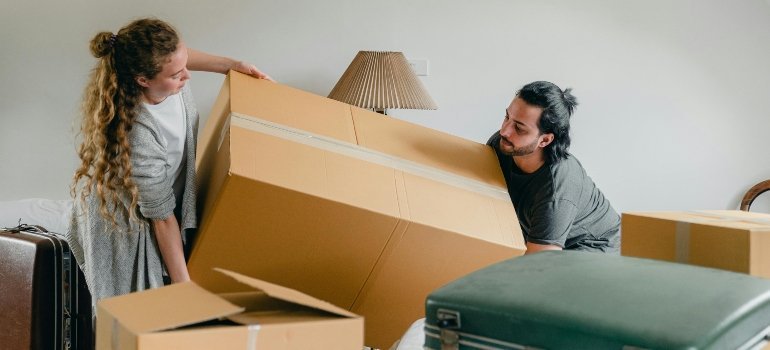
Proper lifting involves gripping firmly, bending knees deeply, and driving upward using controlled force from legs instead of placing strain on the back. Holding items close keeps the load balanced and prevents wobbling that risks collisions with walls or sudden falls onto the floor. Safe teamwork keeps movers healthy and protects property from costly accidents or damages caused by rushed or uncoordinated furniture handling.
Navigating tight corners and staircases
Tight corners and staircases remain the hardest challenges during heavy furniture moves, requiring patience, strategy, and strong coordination between all helpers involved. Approaching corners diagonally reduces furniture width and creates space for smooth rotation without catching sharp edges against walls or damaging doorframes. Tilting furniture gently allows wider pieces to pass through openings that appear smaller when items remain upright or positioned flat against the ground. DC apartment movers are experienced with these tricky conditions and apply specialized techniques to ensure safe handling of oversized items in apartments. Keeping a balanced footing while shifting upstairs prevents falls and ensures heavy loads remain stable when weight distribution changes during angled movements upward.
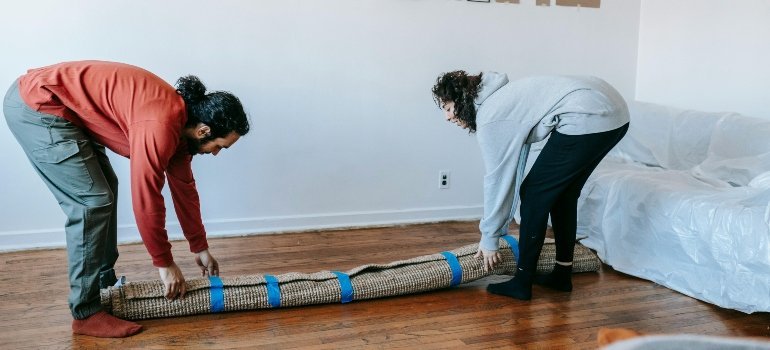
Angling tall items backward or downward as required provides extra clearance under ceilings or above staircases, reducing collision risks with overhead obstacles. Helpers should always communicate tilt angles clearly because coordination matters more when spaces shrink and reactions need to remain instant for safety. Protecting walls with foam guards or padded corner covers prevents scratches when items rub against surfaces during stair or hallway transitions.
If you keep familiar routines while moving locally you can also support calm teamwork because predictable methods reduce stress and confusion during challenging moving situations. Planning every corner turn carefully ensures no one panics mid-movement and everyone stays confident throughout the relocation of heavy furniture.
Using professional moving services
Professional moving services provide unmatched expertise in handling oversized items safely through restricted areas, saving time, energy, and risk for homeowners everywhere. Movers Prince William County highlight that trained crews bring both manpower and equipment suited for difficult moves across apartments, townhouses, or narrow suburban homes. Professionals plan routes in advance, measuring and strategizing around potential obstacles, so nothing surprises the team during actual moving day efforts.
Crews also supply specialized dollies, straps, and ramps that protect both property and movers while lifting or carrying oversized heavy items indoors. Experienced movers lift with synchronized techniques and know how to angle or disassemble items quickly when tight spaces prevent straightforward movement. Professionals reduce stress by ensuring safe transport while protecting furniture and homes from costly damage during challenging and complex relocation projects.
Calling experts also prevents injuries because professional crews are trained in proper lifting techniques that average people may not fully understand. Hiring services may seem costly initially, but compared to potential repair or medical bills, professional help often saves significant amounts long term. Customers gain peace of mind knowing movers can handle difficult spaces without improvising dangerously or risking serious harm to property. Choosing pros demonstrates smart planning and protects both household safety and furniture investment throughout every moving process involving narrow, difficult spaces.
Common mistakes to avoid
Several mistakes cause unnecessary stress during large furniture moves through narrow spaces, which are avoidable with awareness and proper planning. Rushing the process increases the chance of accidents since heavy furniture requires careful timing coordination and gradual movement through small, restricted spaces. Skipping measurements often results in items getting stuck or requiring sudden disassembly, which wastes time and adds stress mid-move. Ignoring protective equipment like gloves or sliders puts both furniture and movers at greater risk of damage, injury, or painful strain.
Solo moves
Attempting solo moves with oversized furniture pieces often leads to dropped items, property damage, and severe injuries that require long recovery periods. Lifting incorrectly with bent backs rather than straight legs is one of the most common mistakes leading to painful back injuries. Failing to clear hallways or stairs beforehand creates tripping hazards and prevents safe, steady movement during heavy furniture relocation projects. Moving too quickly around corners without tilting properly leads to dents, scuffs, or stuck items requiring difficult repositioning in tight conditions. Overlooking disassembly opportunities adds weight and bulk, making moves harder and more dangerous for everyone involved in difficult transportation scenarios. Forgetting professional help often costs homeowners more stress, time, and money than simply hiring skilled movers for difficult spaces.

Safety always comes first when carrying large furniture through narrow spaces because accidents, injuries, or property damage can quickly complicate moving experiences. Preparation matters since measuring spaces using equipment and disassembling furniture creates smoother, safer moves that save both time and effort every step. Teamwork makes lifting safer and more coordinated, preventing injuries while ensuring heavy items reach new spaces without damage or unnecessary frustration. Professional moving companies provide critical expertise when moves appear too risky, ensuring homeowners stay safe while their property remains protected during challenging situations.
Carrying large furniture through narrow spaces
Carrying large furniture through narrow spaces successfully demands calm planning, safe lifting, correct equipment, teamwork, and a willingness to ask for expert help. Proper preparation reduces stress and protects both movers and belongings during tough moving days when heavy furniture must pass through restricted passages. Every homeowner benefits from remembering safety because preventing accidents is easier than fixing damaged walls, broken furniture, or painful injuries afterward. Consistent focus on communication preparation and equipment creates safer environments for all helpers involved in moving heavy furniture across narrow or difficult areas. Following proven safety tips improves moving results by combining strategy, patience, and strength to achieve safe, successful transportation of large furniture. Careful planning, professional assistance, and correct techniques always transform difficult tasks into safe and manageable experiences for anyone relocating heavy, oversized furniture pieces.