Wooden furniture adds character and warmth to every home, yet it’s also vulnerable to moisture, scratches, and temperature changes. These risks increase when relocating within Washington, DC, a city known for its fluctuating weather. High humidity in summer and dry winter air can easily damage wood if it isn’t properly protected. Choosing reliable professionals such as A2B Moving and Storage helps homeowners move confidently, knowing their furniture will arrive in perfect condition.
To protect wooden furniture during a move, you must plan carefully, use quality materials, and handle each piece with precision.

Pre-move preparation
Before packing, examine each wooden item for scratches, loose joints, or existing marks. Clean the surfaces to remove dust or oils that could rub against protective wraps. Measure doorways and staircases in your DC residence to prevent damage during movement. Many older buildings have tight corridors that complicate maneuvering large pieces.
Plan your route through the home and identify obstacles like corners or low ceilings. Disassemble heavy or awkward items if possible. Relying on professional DC apartment movers makes navigating narrow spaces easier, especially in apartment complexes where elevators and loading zones must be scheduled in advance.
Packing materials for wooden furniture
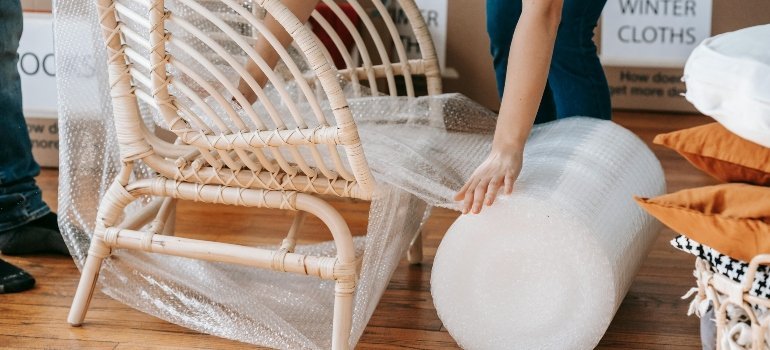
Preparation matters, but the right packing materials make the difference between safety and repair costs. Use soft moving blankets, bubble wrap, and foam padding to create protective layers. Corner guards prevent chips, while stretch wrap holds coverings in place without direct contact with the surface.
Choose breathable materials to reduce condensation buildup — plastic should never seal wood completely.
Local movers DC area often recommend felt pads under furniture legs to prevent floor damage during loading. Investing in these supplies early simplifies every step of your move and avoids unnecessary strain later.
Disassembling furniture for safer transport
Large dining tables, bed frames, and wardrobes should be disassembled when possible. Remove legs, drawers, and detachable parts to lighten the load and prevent bending. Keep screws, bolts, and small fittings in labeled bags taped securely to their matching piece. Take photos during disassembly to remember how everything fits together.
If unsure, expert DC piano movers or carpentry-trained specialists can handle delicate joints without splitting or warping the wood. Every removed element should be wrapped separately before packing to protect wooden furniture during a move effectively.
Wrapping and padding wooden furniture
Each wooden surface needs multiple protective layers. Start with soft blankets to cushion contact points, followed by bubble wrap for impact resistance. Never apply tape directly onto wood — adhesive residue can strip finishes or stain polished surfaces. Use stretch film over the blankets to hold padding in place, then reinforce corners with cardboard or foam protectors.
This extra care ensures your valuable items remain safe from friction or vibration inside the moving truck. Many moving services DC teams use color-coded labeling to identify which side should stay upright.

Loading techniques to prevent damage
Careful loading protects wood just as much as good packing. Keep heavy furniture upright, never stacked on its side. Secure everything with straps to prevent sliding during transport. When lifting, maintain balance and avoid dragging across truck floors.
In the busy streets of DC, loading often requires quick coordination. Tight parking spaces or restricted access zones complicate logistics. Hiring trained professional movers reduces stress, as they already understand local building rules and truck positioning requirements. This preparation ensures both safety and efficiency.
Weather and humidity protection in Washington, DC
Climate greatly influences how to protect wooden furniture during a move in this region. Summers bring high humidity, while winters cause dry air that can crack lacquer or cause shrinking. To minimize risk, consider climate-controlled trucks that regulate temperature throughout the journey.
Cover your items with waterproof tarps if rain threatens on moving day. Store sensitive furniture in shaded areas until loading begins. According to the National Weather Service, sudden temperature changes are frequent in DC, so maintaining balanced conditions prevents swelling and discoloration. Proper planning here preserves years of value.
Unloading and post-move care
Once inside your new home, patience is essential. Let wooden furniture adjust naturally to the new indoor temperature before removing all wraps. Rapid exposure to different humidity levels can distort delicate parts. Inspect each item carefully, noting any shifts or marks that occurred during transport. Wipe down surfaces with a microfiber cloth and apply gentle polish to restore shine. Professionals often help reposition larger pieces without scraping walls or floors, saving you from post-move repairs or refinishing costs.
Extra support also helps you place each piece in a safe spot that avoids direct heat or strong sunlight. These steps protect fragile joints and coatings. Small adjustments now reduce long-term wear and keep your furniture stable in the new space. Protect each piece from heat, sunlight, and moisture.
Professional help for valuable pieces
Certain furniture deserves extra protection — antique desks, custom wardrobes, or family heirlooms. Such items benefit from expert handling and insurance coverage. Hiring specialized teams guarantees proper lifting equipment and secure vehicle space for each item. Trained movers use padded dollies and sliders that keep furniture balanced.
Many offer insurance options covering potential damage, adding peace of mind. For fragile or irreplaceable collections, consult reputable conservation organizations like Smithsonian Institution, an established authority known for its preservation standards. Their guidelines align perfectly with professional moving practices.
Conclusion
Wood furniture represents both aesthetic and emotional value. Protecting it requires preparation, quality materials, and guidance from professionals familiar with Washington, DC conditions. Every careful measure — from wrapping to controlled transport — prevents damage that might otherwise erase years of craftsmanship. To protect wooden furniture during a move, rely on skilled teams who treat each item as their own. Contact trusted local experts to receive tailored support and enjoy a confident, worry-free relocation knowing your furniture will arrive safe, intact, and ready to enrich your new home.