Living in Virginia appeals to people who want solid career options, comfortable daily routines, and strong local ties. The state offers distinct regional lifestyles, from career-driven suburbs to close-knit towns and coastal communities shaped by service life. This range helps newcomers find a place that fits work needs, family priorities, and personal pace.
The cultural and lifestyle highlights of living in Virginia attract people from across the country. Virginia blends history, opportunity, and everyday comfort in unique ways. Moreover, newcomers often appreciate how work, family, and recreation connect seamlessly. Whether relocating locally or with help from trusted movers DC area, many residents find Virginia both welcoming and diverse. From fast-paced urban corridors to quiet mountain towns, the state offers lifestyles for every stage of life.
Virginia’s appeal lies in balance. You can enjoy career growth, strong communities, and cultural depth. At the same time, you experience natural beauty and regional traditions. Because of this blend, people often stay long after they arrive.
Understanding Virginia’s regional lifestyles
Virginia is not one lifestyle. Instead, it offers several regional identities shaped by geography, industry, and history. Each area creates a different daily rhythm.
Northern Virginia: Work-focused and fast-paced
Northern Virginia, often called NoVA, operates at high speed. The region thrives on government, technology, and consulting careers. As a result, many residents plan their lives around work schedules.
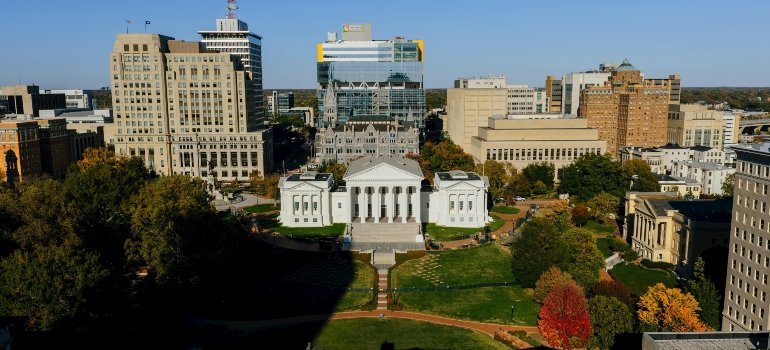
Professionals often rely on northern Virginia movers when transitioning into the area due to competitive housing and tight timelines. The area rewards efficiency and ambition.
Commuting and daily routines in NoVA
Commutes define daily life in Northern Virginia. Many residents travel into Washington, D.C., or nearby business hubs. Therefore, planning matters.
Common commute patterns include:
- Early morning departures
- Heavy use of public transit
- Remote or hybrid schedules
Despite long commutes, residents value proximity to opportunity. Consequently, work-life balance becomes intentional rather than automatic.
Social life and professional culture
Networking plays a major role and many friendships start at work or industry events. However, social circles often grow through:
- Fitness studios
- Professional groups
- Community volunteer programs
People respect punctuality and productivity. Still, weekends often focus on relaxation and local exploration which is one of cultural and lifestyle highlights of living in Virginia.
Central Virginia: Community-centered living
Central Virginia offers a slower, more residential pace. Cities like Richmond and surrounding towns emphasize neighborhood life. Families and long-term residents often form deep community ties.
Many newcomers choose movers Fredericksburg VA when settling between Northern and Central Virginia. This location allows access to both regions.
Neighborhood life and local identity
Community engagement matters in Central Virginia. People attend local events and support small businesses. Moreover, neighbors often know each other by name.
Typical community features include:
- Farmers markets
- Local festivals
- Historic districts
As a result, residents feel grounded and connected.
Work and lifestyle balance
Central Virginia supports diverse careers. These include education, healthcare, government, and creative fields. Commutes remain manageable. Therefore, evenings often include family dinners or outdoor activities.
Coastal Virginia: Military influence and structure
Coastal Virginia reflects a strong military presence. Cities like Norfolk and Virginia Beach support naval bases and defense industries. This influence shapes daily routines and community norms.

Many relocating families use movers in Manassas VA as part of broader military or government transitions.
Military culture and community support
Military life encourages structure and resilience. Communities support service members through:
- Family readiness groups
- Base-related events
- Veteran-focused services
As a result, newcomers often find strong support networks.
Daily life near the coast
Schedules often align with base operations. However, coastal living adds balance. Residents enjoy beaches, waterfront dining, and outdoor recreation. Therefore, leisure blends naturally with discipline.
Western Virginia: Smaller towns and scenic living
Western Virginia offers quiet towns and mountain views. Life moves slower, and relationships matter deeply. Many residents value self-sufficiency and tradition.
Families moving into expanding suburban pockets often work with movers Ashburn VA before heading westward.
Community values and traditions
Western Virginia communities prioritize:
- Local schools
- Church activities
- Seasonal festivals
People often greet each other warmly. Moreover, social trust runs high.
Work and daily pace
Jobs often center on healthcare, education, agriculture, or local businesses. Commutes stay short, which reduces daily stress. Therefore, residents enjoy predictable routines and strong family time. Many households structure their days around school schedules and community activities. Movers frequently note that residents value consistency over speed. As a result, people settle quickly and feel connected to their surroundings.
Cultural influences across Virginia
Virginia’s culture reflects centuries of change. History, government, and military service shape everyday life across regions.
Historical impact on communities
Virginia’s history influences architecture, traditions, and values. Colonial towns, Civil War landmarks, and preserved neighborhoods remain visible.
Many historic areas attract new residents with help from movers Falls Church VA. These communities blend modern life with deep roots.
Historical influences appear through:
- Annual reenactments
- Heritage festivals
- Preservation societies
As a result, residents often feel connected to the past.
Government and military presence
Federal agencies and military bases affect employment and culture. Stability and structure remain common themes.
Government schedules shape daily rhythms. Security awareness also remains high. However, these factors contribute to economic strength and community investment.
Local events and community activities
Virginia communities value shared experiences. Events bring people together and strengthen social bonds.
Popular activities include:
- Seasonal fairs
- Music festivals
- Charity runs
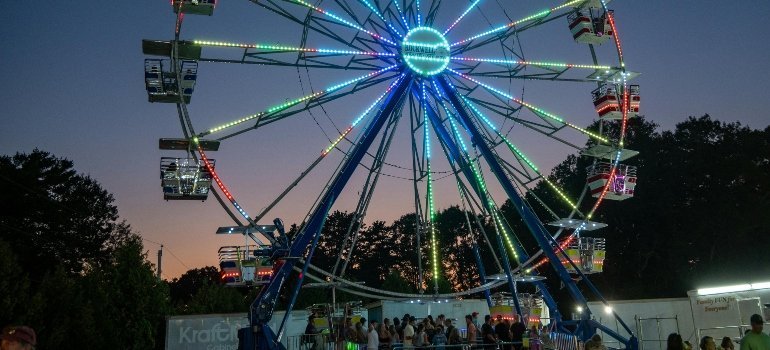
Participation helps newcomers integrate faster.
Social norms newcomers experience
Virginia residents value courtesy and respect. People often appreciate politeness and patience. While friendliness varies by region, most communities welcome engagement.
Newcomers notice:
- Strong civic pride
- Respect for privacy
- Appreciation for local traditions
Adapting to these norms makes settling easier.
Food, entertainment, and social life in Virginia
The cultural and lifestyle highlights of living in Virginia shine through food and entertainment. Each region offers distinct flavors and experiences.
Regional food traditions
Virginia cuisine reflects geography and history. Coastal areas emphasize seafood. Western regions favor hearty comfort foods.
Common regional favorites include:
- Chesapeake Bay blue crabs
- Virginia ham
- Farm-to-table produce
Local food often brings people together.
Dining and gathering spots
Restaurants often double as social hubs. In cities, rooftop bars and breweries attract young professionals. Meanwhile, small towns prefer family-owned diners.
New residents researching lifestyle compatibility often search about best cities for young couples in Northern Virginia for dining and social insights.
Arts, music, and entertainment
Virginia supports diverse artistic expression. Urban centers offer theaters and galleries. Smaller towns host live music and craft shows.
Entertainment options vary but often include:
- Outdoor concerts
- Community theaters
- Seasonal cultural events
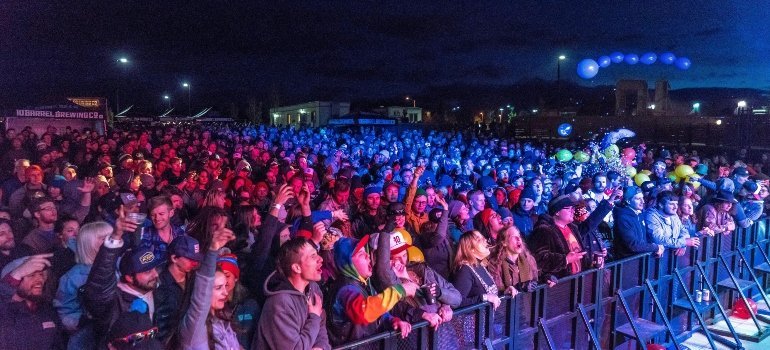
As a result, creativity remains accessible statewide.
Social life: Cities vs. smaller towns
Cities encourage variety and fast connections. Smaller towns focus on long-term relationships. Each environment supports different social needs.
Understanding this contrast helps newcomers choose wisely.
Work, commute, and lifestyle balance
Work shapes daily life throughout Virginia. However, balance depends heavily on location. Urban areas demand longer hours and structured schedules. Meanwhile, suburban and rural regions allow greater flexibility. Commute times influence stress levels and family routines. Remote work continues to grow across the state. As a result, many residents now choose locations that better support personal time and overall well-being.
Common work patterns
Many residents work traditional schedules. Others follow flexible or remote arrangements. Government and military roles often set fixed hours.
Technology allows more people to live farther from offices.
Commute expectations by region
Commutes vary widely. Northern Virginia sees longer travel times. Central and Western regions offer shorter drives.
People planning cross-state relocations often rely on interstate movers DC to manage timing and logistics.
How location shapes daily routines
Location affects daily habits across Virginia:
- Wake-up times
- Meal schedules
- Evening activities
In Northern Virginia, residents wake early to manage long commutes. Meanwhile, Central Virginia families enjoy relaxed mornings and shared breakfasts. Coastal Virginia routines often follow military schedules and shift work. In Western Virginia, evenings focus on home life and outdoor time. Therefore, choosing the right area improves quality of life and daily satisfaction.
Insight from movers on area selection
Experienced movers often recommend lifestyle-first decisions. They consider work location, family needs, and community preferences.
Making a note for planning a long-distance move within DC help residents prepare for major transitions.
Family life and everyday living in Virginia
The cultural and lifestyle highlights of living in Virginia strongly appeal to families. Safety, education, and recreation remain priorities.
Schools and family-focused areas
Virginia offers strong public and private schools. Suburbs often attract families seeking stability.
Parents value:
- School ratings
- Extracurricular programs
- Community involvement

These factors influence relocation decisions.
Parks, recreation, and amenities
Virginia provides abundant outdoor spaces. State parks, trails, and playgrounds support active lifestyles.
Families enjoy:
- Weekend hikes
- Sports leagues
- Community pools
Access to amenities enhances daily life.
How families settle after moving
Families often integrate through schools and neighborhood events. Routine builds familiarity quickly.
Understanding seasonal timing helps. Figuring out how moving rates in DC vary by season may offer practical insights during planning.
Key things movers should know before relocating
Preparation ensures smoother transitions. Lifestyle adjustments often surprise newcomers. Virginia’s regions differ in pace, housing styles, and local expectations.
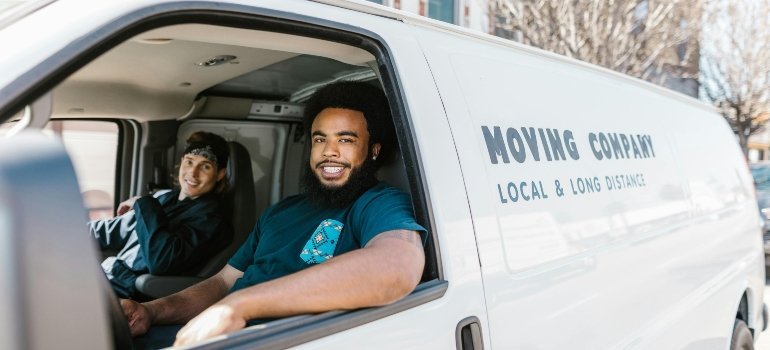
Movers often advise clients to research neighborhoods before committing. Choosing the right moving company matters just as much as choosing the right location. Experienced movers understand traffic patterns, access rules, and regional logistics. They also help plan timelines that match work and school schedules. Additionally, movers can suggest ideal moving seasons based on demand and weather.
Proper packing strategies reduce stress during arrival. When movers communicate clearly and plan efficiently, families settle faster and adjust more comfortably to their new environment.
Lifestyle adjustments to expect
Virginia balances tradition with progress. Adapting may require patience. Traffic, weather, and social pace vary.
Housing rules and community guidelines
Many neighborhoods follow HOA rules governed by the Property Owners’ Association Act that shape daily living. These rules often cover exterior appearance, parking, noise levels, and shared spaces. Historic districts also enforce preservation standards that limit renovations and design changes. Therefore, homeowners must review guidelines before purchasing or renting. Movers often recommend confirming access restrictions, parking permits, and move-in hours in advance. Some communities require advance notice for moving trucks.
Understanding these rules avoids stress and prevents unexpected delays during relocation and long-term living.
Seasonal factors that affect moves
Weather impacts moving schedules across Virginia. Summers feel busy due to school breaks and job transitions. As a result, movers book quickly and rates often rise. Heat and humidity also add physical challenges. Meanwhile, winters remain quieter and more flexible. However, snow and icy roads can cause delays in some regions.
Seasonal factors movers consider include:
- Higher demand during late spring and summer
- Weather-related delays in winter months
- Better availability in fall and early spring
- School calendars influencing family moves
Planning ahead reduces challenges and supports smoother relocations.
Conclusion: Why Virginia continues to attract new residents
The cultural and lifestyle highlights of living in Virginia reflect diversity, opportunity, and community. Each region offers distinct advantages. From career-driven corridors to peaceful mountain towns, Virginia supports many ways of life. By understanding regional differences and cultural influences, newcomers can settle confidently and thrive long term.
Frequently Asked Questions
What type of lifestyle does Virginia offer?

Virginia supports many lifestyles. Residents can choose fast-moving professional areas, family-focused neighborhoods, coastal regions influenced by military life, or quieter mountain towns with close community ties.
Is Virginia a good place for families to live?
Yes. Many families value Virginia for its schools, parks, organized communities, and access to activities for all ages. Suburban and mid-sized city areas are especially popular with parents.
How does location affect daily life in Virginia?
Location shapes commute times, work schedules, and social habits. Northern areas focus heavily on careers and commuting, while central and western regions support shorter drives and more predictable daily routines.