Involving teenagers in the moving process works best when they have clear roles, honest updates, and some control over decisions that affect their routine. In the DC area, early planning around school timing, building rules, and packing priorities can reduce stress and make the move feel more manageable.
Involving teenagers in a move works best when they have real choices, clear expectations, and tasks that fit their age. In the DC area, school schedules, apartment rules, and parking permits can make everything feel more stressful, so early planning matters. That is why involving teenagers in the moving process should start before packing day. Even when experienced moving companies DC area families trust handle the heavy lifting, teens still feel the emotional side of the move most. They are usually more cooperative when they are treated like contributors with a role in the process, not just people being told what happens next.
Why Teenagers Resist Moves Even When The Reason Makes Sense
Teenagers are at an age when friendships, school routines, sports, jobs, and private space matter a lot. A move interrupts all of that at once. Nationally, moving has become less common overall, which can make relocation feel even more disruptive when it does happen. Recent mobility data from the U.S. Census Bureau also shows that younger age groups remain more likely to move than older adults, which helps explain why relocation stress is still such a relevant issue for families with teens.
The Census Bureau also reports that 11.8 percent of people moved to a different residence in 2024, with 8.9 percent moving within the same state and 2.1 percent moving to a different state. At the same time, mobility stays much higher for younger people. Census research found that 26.6 percent of Gen Z, ages 18 to 24, moved in 2023.
That is why involving teenagers in the moving process should begin with a conversation, not a checklist. Before you ask them to pack anything, ask what they are most worried about. In real families, the answer is often not the move itself. It is losing friends, changing schools midyear, giving up a sports season, or ending up in a home where all their things are still in boxes two weeks later.

Give Them Real Ownership Instead Of Fake Choices
Teens can tell the difference between a symbolic role and a meaningful one. Asking whether they want red tape or blue tape is not real ownership. Letting them decide how their room will be packed, what stays accessible the first week, or what can be donated absolutely is.
Give them a short list of decisions that are actually theirs:
- what goes in their essentials bag
- what gets packed last in their room
- what can be sold, donated, or trashed
- how their desk, gaming setup, or vanity should be arranged first in the new place
- which friend hangout or goodbye plan matters most before moving day
When teenagers get control over a few visible parts of the move, resistance usually drops. We see this especially when families stop framing the move as something being done to the teen and start framing it as a project the household is managing together.
Build The Calendar Around Schools And Permit Rules
The smoothest family moves in the DC area follow two timelines at once — the home schedule and the school or building schedule. This is not just general advice. DC public school enrollment has grown in recent years, so families changing schools should handle paperwork early to avoid a stressful start. DCPS allows online enrollment, and Alexandria City Public Schools also directs new families to online registration.
Parking logistics matter too. In DC, moving truck permits go through TOPS, and no-parking signs must be posted in advance. In Alexandria, reserved parking requests must be submitted several business days ahead, with separate fees for metered and non-metered spaces.
Families often underestimate how much calmer a teen becomes when the adults can say exactly what happens next. Not soon. Not later. Exactly. Families juggling a job-related relocation at the same time may also find this guide on moving for a job with a family helpful when planning school timing, work transitions, and the first few weeks after the move.

Pack Their Room In Layers, Not All At Once
Teen rooms are rarely just rooms. They are study space, social space, storage space, and emotional territory. Packing them in one giant sweep usually backfires.
A better approach is to create three layers. This works especially well when families are also coordinating larger household items with furniture movers Washington DC families rely on.
- keep-close items such as chargers, earbuds, medications, school laptop, one hoodie, toiletries, and sports gear
- first-open items such as bedding, desk lamp, favorite decor, a few books, and daily shoes
- later-open items such as off-season clothes, wall art, backup school supplies, and old keepsakes
If your timeline is tight, this practical guide on how to pack for a move in 3 days can help parents stay organized without turning the last week into chaos.
This system sounds simple, but it solves one of the biggest teen complaints after a move. They do not want to feel like their life has disappeared into identical brown boxes. They want the parts of daily life that matter most to reappear fast.
Make Moving Day Easier In High-Rises And Rowhouses
If you are moving around the District, the move on paper and the move in real life can feel like two different things. A ten-minute drive does not mean a ten-minute move. Not in Navy Yard, NoMa, or on tighter Capitol Hill blocks, where curb access, stairs, and elevator reservations can decide how the entire day unfolds.
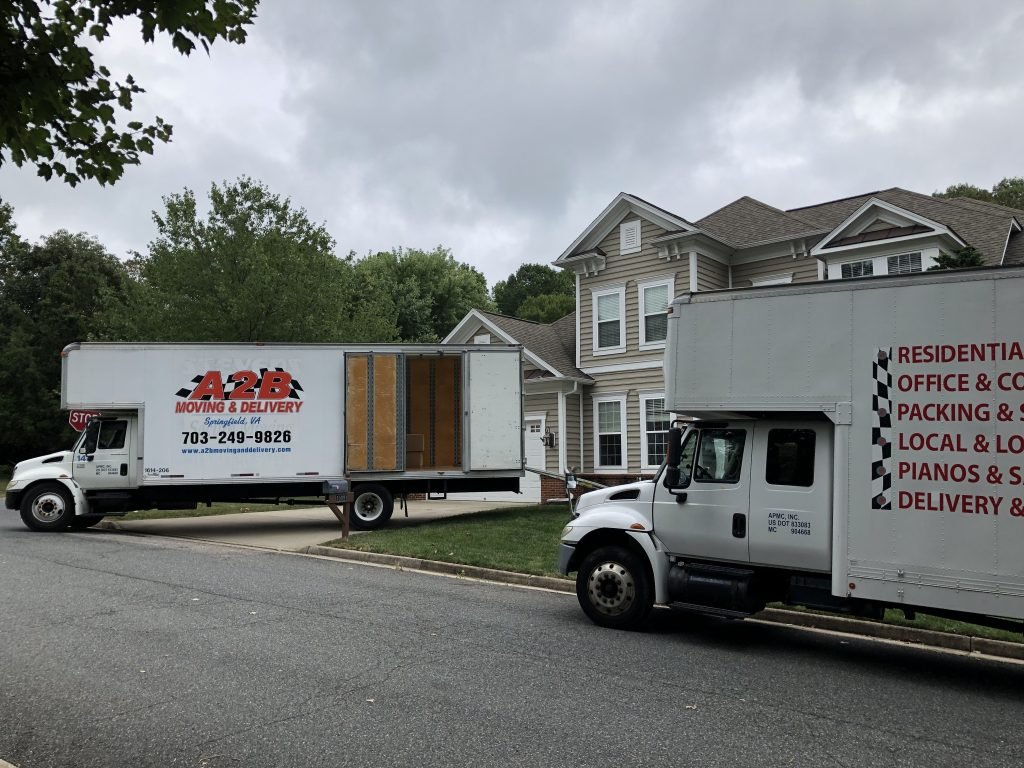
This is where reliable DC apartment movers make the biggest difference, but the family still has a job to do. Tell your teenager about the slower parts of moving day, not just the drive. That includes the waiting, the loading window, the elevator queue, and moments when adults may be busy with building staff for twenty minutes or more.
In our crews’ experience, one of the hardest parts of apartment and rowhouse moves is not carrying the boxes. It is the awkward dead time. Teens are standing in a hallway, the truck is still being loaded, everyone is hungry, and their backpack with the charger is already buried. That is why involving teenagers in the moving process means preparing them for the rhythm of the day, not just assigning them a task.
A small move-day bag helps more than parents expect. Put snacks, water, a charger, headphones, one change of clothes, and anything school-related they cannot afford to lose into one bag that never goes on the truck.
Handle Special Items Without Shutting Teens Out
Some belongings carry more emotional weight than others. A piano, an inherited dresser, a record collection, a signed poster wall, or the chair where your teen studies every night can matter more than a dozen ordinary boxes.
When a household has instruments or delicate pieces, experienced DC piano movers or specialty crews should handle the transport. What parents should not do is quietly remove those items from the teen’s line of sight and expect them not to care.
Show them the plan. Explain what is getting padded, wrapped, loaded first, or set aside for special handling. Teenagers usually calm down when they know their high-value or sentimental items are not being treated like random furniture.
We have seen this with music students in particular. The move feels bigger when the instrument disappears before they understand where it is going, how it is being moved, and when they will get it back. A two-minute explanation often prevents an hour of tension.
Keep Long Distance Moves Transparent
Local moves are disruptive. Long-distance moves multiply that. School records, route planning, overnight bags, arrival windows, utility timing, and friend goodbyes all stretch the timeline.
Families working with interstate movers DC trusts usually get better results when they stop trying to protect teenagers from every detail and instead give them the right level of visibility.
What teens usually need to know ahead of time:
- the exact moving date and likely arrival date
- whether they will miss school, practice, or work shifts
- what travels with them and what stays on the truck
- what the first night will realistically look like
- when internet, bed setup, and room setup should be done
This is also where related planning content can support the process. Moving for a job with a family is especially useful when the relocation is tied to a new role, a new commute, or a school switch happening at the same time.
The families who struggle most are usually not the ones with the longest distance. They are the ones where the teen keeps hearing vague promises like soon, later, or we will figure it out. Specifics reduce stress.

Use Storage Without Making It Feel Like Loss
Storage can be helpful, but teenagers often experience it differently from adults. Parents think storage buys breathing room. Teens sometimes hear that as their stuff is disappearing for an unknown period of time.
That is why the best use of self-storage is selective, not sweeping. Do not put their entire identity in storage. If you are between homes, downsizing, or waiting on renovations, keep the items that shape daily life with them, even if the room is temporary.
Good candidates to keep accessible are simple:
- school gear
- hobby equipment
- one or two sentimental items
- daily clothing
- tech and chargers
- one comfort object that makes the new room feel like theirs
The point of involving teenagers in the moving process is not to turn them into unpaid movers. It is to help them keep continuity while the household changes around them.
Keep The Move More Predictable
Some moves need a little more planning because of older streets, permit timing, townhouse stairs, or split storage setups, all while you are trying to get a teen to settle before school or summer activities restart.
That is one reason many families check in with moving companies Alexandria VA has early. It is not always about distance. It is often about timing and coordination.
We have also noticed that families often remember the furniture plan but forget the teen routine plan. Chargers, school papers, toiletries, and one clean outfit often end up in mixed boxes, which can make the first morning harder than expected.
Even a short move can involve school paperwork, parking arrangements, building rules, and a stressed teenager balancing exams, practice, or a part-time job. Families moving with younger kids and teens at the same time may also find these tips on moving with kids from Falls Church to Sterling helpful.

A Move Teens Can Actually Live With
The goal is not a perfect move. It is a move your teenager can understand, participate in, and recover from quickly. Involving teenagers in the moving process works because it protects their sense of control at the exact moment life feels unstable. When families plan around school deadlines, local permit rules, real access issues, and the small daily items teens care about, the move stops feeling like a disruption with no voice in it. It starts feeling manageable. And that usually changes everything.
Frequently Asked Questions
How do you help a teenager cope with moving?

Start early, be honest, and give them real choices. Teens cope better when they know the timeline, can help shape their room setup, and are allowed to talk openly about what they are losing and what they are worried about.
should teenagers help pack when moving?
Yes, but the work should match their age and attention span. Let them handle their own room, essentials bag, donation pile, and first-open boxes. Do not put them in charge of the whole move.
what should a teen pack separately for moving day?
A backpack or tote with chargers, medication, toiletries, one outfit, school items, headphones, water, snacks, and anything needed for the first night is usually enough.
how can parents make a new school transition easier?
Do the paperwork early, explain the timeline clearly, and if possible, visit the area or school in advance. In the DC area, paying attention to enrollment dates and local school processes can remove a lot of avoidable stress.