To safely move large mirrors without breaking them, wrap the glass, protect the corners, use a sturdy mirror box, keep the mirror upright, and carry it with help. Move slowly, avoid pressure on the center, and secure it during transport.
Large mirrors add style and depth to every room, and those same traits create stress on moving day. Glass cracks under quick jolts, while frames twist under uneven pressure. Sudden bumps can throw shards across a hallway. Therefore, smart owners plan early and use proven methods to safely move large mirrors. Many homeowners wonder how to move a large mirror without breaking it, and the right preparation makes all the difference. Trusted DC area movers wrap mirrors with military precision because one slip erases décor and dollars. Follow this guide, and you will save money, protect walls, and arrive with each reflection intact.
Gather the Right Materials: Packing Supplies You’ll Need
Moving success starts with quality gear. Collect everything before lifting the first edge. According to professional movers, multiple layers cut break risk. Residents often call movers in Lanham MD, for last-minute supplies when stores run low. Prepare early so nothing delays your wrap session. Learning how to protect mirrors when moving begins with using the right packing materials. Also, two to three bubble layers are recommended for shock absorption. You need:
- Sturdy mirror boxes that adjust to frame size.
- Clean packing paper for the first soft layer.
- Large-bubble wrap for impact control.
- Cardboard sheets larger than the glass face.
- Corner protectors to shield sharp edges.
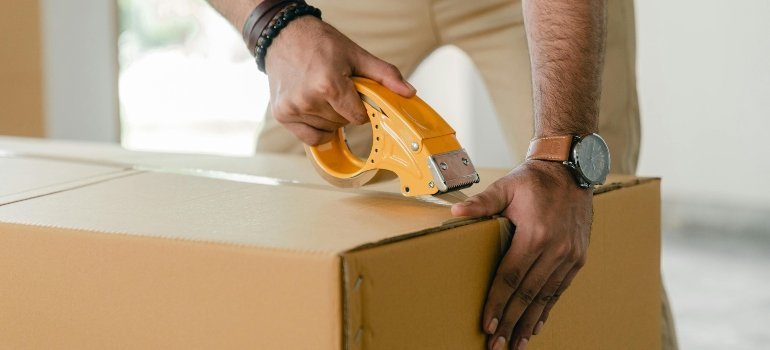
- Heavy-duty packing tape.
- Label stickers and thick markers.
- Suction-cup lifters rated for 200 lb to improve grip.

Step-by-Step Packing Guide: Wrap, Cushion, and Secure Your Mirror
If you’re wondering how to move a mirror without breaking it, careful wrapping is the first step. Spread a blanket on a clean floor. Place the mirror face up. Press masking tape across the glass in a giant X. Home Depot experts say this tape reduces scattered shards if an accident happens. Try to fit cardboard sheets against the front and back. Tape each sheet tight.
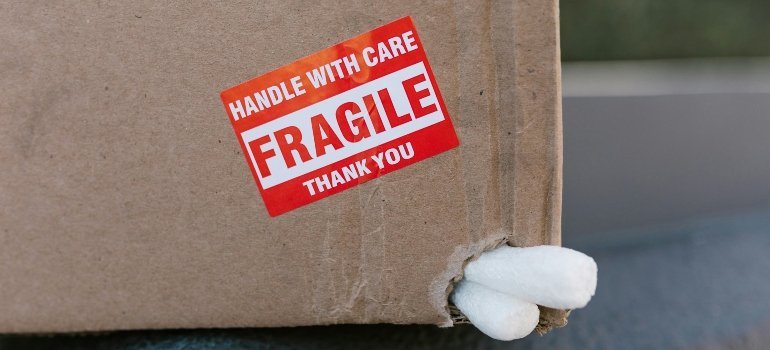
Slide corner guards onto all four edges. Add two full bubble-wrap layers; keep bubbles touching the cardboard, not the air. Secure every seam with tape. Slide the padded mirror into the mirror box. Fill gaps with crumpled packing paper. Shake the box gently. If the mirror shifts, add paper until it stays still, as Rosenbaum Framing advises. Seal the top and mark both sides “Fragile: Mirror.”
How to Handle Large Mirrors: Lifting and Carrying Tips
Knowing how to move a large mirror starts with proper lifting techniques and enough help. Mirrors travel safest in a vertical position. Always carry the piece on edge, never flat, and wear cut-resistant gloves for a sure grip. Use two people for mirrors wider than 40 inches. Place one hand high and one hand low. Communicate every step and pause together.
Professional residential movers Washington DC has rely on suction-cup handles to reduce finger pressure spots. Keep the mirror close to your body to lower leverage stress. Walk slowly through doorways. Turn the mirror sideways only after gauging clearance. When resting, lean it against a solid wall padded with moving blankets. Avoid soft couches; they allow mid-panel flex that cracks glass.
Transport Tips: Securing Mirrors in the Moving Truck
Knowing how to transport a large mirror correctly helps prevent damage during the drive. Load mirrors after large furniture, yet before loose boxes. Position each mirror upright against the truck wall and cushion the bottom edge with folded blankets. Slide a mattress, sofa back, or another flat soft piece against the cardboard face.
Tighten ratchet straps across the frame, never over open glass, because tight straps stop vibration on potholes. National carriers warn that laid-flat mirrors absorb road shocks unevenly and snap under weight. Therefore, keep every pane vertical during the entire ride. Confirm straps stay snug during rest stops. Many movers in Maryland inspect tie-downs every 100 miles to catch slack early.
Common Mistakes to Avoid When Moving Mirrors
Knowing how to move mirrors without breaking them also means avoiding mistakes that put pressure on the glass. Avoid these frequent errors and save costly claims:
- Apply tape X first; safely move large mirrors, glass stays contained.
- Place a soft paper layer, then bubble wrap; direct bubbles press patterns onto delicate mirror surfaces.
- Choose mirror-rated cartons, skip flimsy single-wall boxes entirely.
- Keep heavy boxes off padded mirrors, even during quick stops, to prevent any pressure cracks.
- Skip cheap rope; rely on cargo straps.
- Label both sides: “Do Not Lay Flat” stops sideways loading.
- Keep mirrors separate from tools, ladders, or metal poles.
- Store mirrors far from heaters or hot truck panels.
When to Call the Pros: Knowing Your Limits With Fragile Items
Sometimes a mirror is too heavy, costly, or sentimental for DIY risk. Antique gilt frames crack from minimal torque. Oversized gym mirrors stretch eight feet and weigh 120 lb. Slanted city staircases challenge even fit friends. In those cases, call insured specialists. Reputable glass handlers supply custom crates and climate trucks.
They also provide valuation coverage higher than the standard 60 cents per pound. Professionals own padding racks and panel carts that speed loading without hard jolts. Many companies offer a hybrid service: you wrap smaller mirrors, they crate the big ones. Compare prices and request binding quotes. Peace of mind may cost less than a full replacement.
After the Move: Inspecting and Unpacking Your Mirrors Safely
Wait until the furniture is in place before opening mirror boxes. Clear a wall and spread a blanket on the floor. Cut tape along seams without stabbing inward, while lifting the mirror upright, while it remains wrapped. Inspect each corner through the bubble wrap.
If you see cracks, photograph the damage before unwrapping further for claim support. If intact, remove bubble layers, then cardboard, then tape X. Wipe the glass with a microfiber cloth. Check the hanger wire or D-rings; replace any bent hardware. Remember to mount the mirror on a stud or use heavy-duty anchors rated above the mirror’s weight. Never hang with nails alone.
Tips From Moving Experts: Protect Your Mirrors Like a Pro
Many people search for how to move a mirror, but careful planning is just as important as lifting technique. Moving experts agree: planning and quality materials make the difference. Start early, gather supplies, and measure door widths twice. Use the steps above to safely move large mirrors every time. If things feel risky, contact Washington DC movers or another mirror specialist. Your new home deserves perfect reflections, free of cracks and stress. Enjoy the view, and trust your preparation.
Get Your Mirrors to Your New Home Safely
Large mirrors need more care than most household items, but the right plan makes the move far less stressful. Start with strong supplies, protect the glass and corners, and keep each mirror upright from packing to unloading. Ask for help before lifting, especially if the mirror is wide, heavy, or hard to grip. During transport, secure it against a flat surface and keep pressure away from the center of the glass. These simple steps help you safely move large mirrors without cracks, chips, or damage to your walls. Still, some pieces are better left to movers. If your mirror is antique, oversized, or expensive, professional help can protect both your item and your peace of mind.
Frequently Asked Questions
How do you safely move large mirrors without breaking them?

Wrap the mirror in packing paper, add corner protectors, cover it with bubble wrap, and place it in a mirror box. Always carry it upright and avoid putting pressure on the glass.
Should large mirrors be moved flat or upright?
Large mirrors should be moved upright. Laying them flat can put uneven pressure on the glass and increase the chance of cracks, especially during transport.
What is the best way to protect mirror corners?
Use foam or cardboard corner protectors before wrapping the mirror. Corners are easy to chip, so extra padding helps prevent damage if the mirror bumps against a wall or box.
Do I need professional movers for a large mirror?
Professional movers are a good idea if the mirror is very large, heavy, antique, or expensive. They have the right materials, lifting techniques, and equipment to move it more safely.