Moving out of a rental feels exciting until the final inspection appears on the calendar. Landlords inspect every room, note each scratch, and decide how much of your money stays behind. A quick load-out is not enough. Careful prep protects cash. Plan the exit with the same energy used for boxing dishes. A2B Moving and Storage reminds clients that a detailed exit prevents costly surprises and angry emails later. Treat the inspection as the last task on your moving checklist, and you keep control of the conversation—and the deposit.
Review your lease and inspection checklist
Start with the documents and read the lease again. Search for clauses about paint, wall anchors, or carpet cleaning fees. Many states let owners deduct only for damage beyond normal wear, yet leases can add extra duties. California, for instance, forces landlords to send an itemized list within 21 days and bars charges for ordinary wear.

Ask the manager for the official pre-inspection checklist and request it in writing. The list shows priority zones: appliances, walls, flooring, and outdoor spaces, so use it as a roadmap. Mark each item as complete, since clear rules cut arguments later.
Tackle repairs you’re responsible for
Small fixes save large bills, so patch nail or screw holes with lightweight spackle. Sand lightly once dry and dab matching paint over spots if the lease allows. Replace cracked switch plates or loose towel bars while tightening door handles. Swap burned-out bulbs and remember to replace furnace filters. Many landlords bill triple the store price for these jobs. Movers Bowie MD reports that tenants who spend one weekend on repairs often recover the full deposit instead of paying inflated maintenance fees. Focus on visible defects first because inspectors list them quickly.
Deep clean every corner – Especially kitchens and bathrooms
Deep cleaning beats tidying when moving out of a rental. Kitchens and bathrooms trigger most deductions, according to landlord fee charts. A standard deep bathroom clean can cost $200 if management hires contractors.
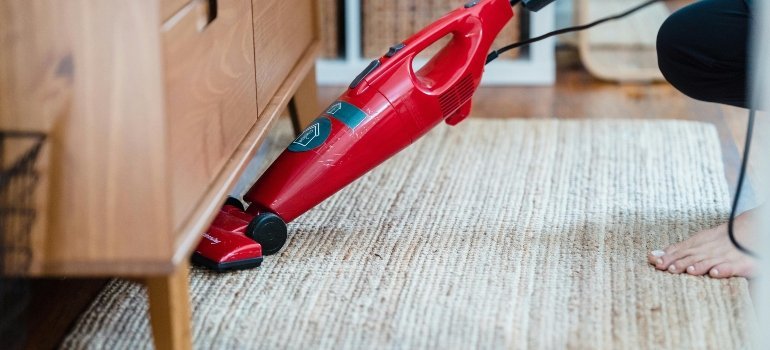
Move-out cleaning services charge between $120 and $420 nationwide in 2025. Landlords pass those costs directly to your deposit. Disinfect sink drains with baking soda, vinegar, and a boiling water flush. Scrub grout lines with a stiff brush and oxygen-bleach solution. Pull the hood filters and soak them in a degreasing dish soap for twenty minutes. Empty every cabinet, and wipe shelves with mild cleaner and a dry towel to stop moisture rings. Remember to slide the oven racks out.
Coat interior walls with a paste of baking soda and water. Let it sit overnight, then wipe clean. Remove refrigerator shelves, wash them in warm, soapy water, and air-dry thoroughly. Inspectors carry flashlights, kneel, and check under appliances for crumbs or dust. MyInspections advises tenants to use the same tool during their walkthrough. A dusty stove bottom can add $50 cleaning charges instantly. Vacuum refrigerator coils because dust there spikes energy use and invites complaints. Finish with a citrus wipe on faucets for shine that impresses inspection agents.
Often-missed Spots:
- Ceiling fan blades gather thick dust
- Baseboards hide hair and scuffs
- Behind the toilet, stores mineral stains
- Window tracks trap grit and dead bugs
- The dishwasher filter collects food bits
Scrub these zones until they match move-in photos. Movers Annapolis MD advises clients to keep a clean-as-you-found-it rule. Landlords cannot deduct for professional cleaning if surfaces match the condition at move-in.
Don’t forget the exterior and common areas
Sweep the balcony and patio first. Loose leaves, cigarette butts, and potting soil signal neglect during inspection. Many complexes fine tenants $50 when railings stay dirty. Next, scrub railings with warm soapy water and dry cloths. Inspect door tracks because grit there scratches thresholds and triggers extra charges. Hallway walls deserve equal care. Scuffs from dressers leave black marks that owners photograph and bill. One small can of matching paint hides those streaks in minutes. Storage cages come next. Remove every box, sweep the concrete, and bag leftover dust before maintenance staff arrives. Dump items using the rules printed beside the enclosure.
Large furniture in the dumpster invites junk haulers who average $150 to $350 per trip, which lands in your deposit. Full truckloads can hit $550 according to HomeGuide’s 2025 survey. Move-out cleaning pros charge another $200 to $400 if owners spot grime indoors. San Francisco issues fines up to $1,000 for illegal dumping in public trash cans, and many cities follow suit. Plan thirty minutes for a final sweep because dust accumulates fast. Follow local recycling rules because wrong sorting can delay the return of your deposit. Shared spaces show your care, so leave no trace quickly.
Take photos and do a final walkthrough
Document every room after cleaning and make sure to use natural light, then repeat with flash. Photograph closets, inside appliances, and the thermostat display.

Date-stamp files because new 2025 rules in some states even require landlords to take their own photos before deducting funds. Independent pictures give you evidence if disputes rise. Walk through slowly, open and close each window, run faucets, flush toilets, and switch on lights. Listen for drips or squeaks and make sure to fix what you find before handing over keys.
Schedule your move smartly
Timing matters. Peak season runs from May through September, and good crews disappear fast. Experts recommend booking local movers MD at least six weeks in advance during summer and four weeks during quieter months. Choose a morning slot early in the week; weekend afternoons cost more and leave less buffer for cleaning. Finish loading one day before the inspection, since that buffer lets you clean empty rooms without rushing. If things run late, you still meet the deadline.
A little prep can save you hundreds
Moving out of a rental does not end when the truck pulls away. Landlords inspect with checklists, flashlights, and camera phones. Read the lease, repair small flaws, deep clean kitchens and baths, polish outdoor areas, and prove the condition with photos. Book the move early, so cleaning finishes calmly. These simple actions protect your bank account and avoid tense emails. Spend a few extra hours now and keep the full deposit for new pillows, paint, or a celebratory dinner. Your future self will thank you.