Falls Church sits eight miles from downtown D.C. Commuters like its small-city feel, quick transit links, and steady job base. Housing options range from post-war cottages to new condos, so readers researching buying and renting in Falls Church meet many price points. Before you pack, compare quotes from moving companies DC area to gauge real relocation costs. Take a look at market trends, rents, sale prices, neighborhoods, and everyday expenses so you can choose with confidence.
What to expect from the local housing market
The market stays hot even with higher mortgage rates. Homes here sell in six to fourteen days and often draw several offers. Zillow shows an average value of $797,000, up 4.6 percent over the past year. Redfin notes a current median sale price near $719,000 and a price-per-square-foot of $493. A realtor lists a median asking price of $825,000 for active inventory. Supply grew slightly this spring, yet buyers still move fast. Renters also face pressure. Apartments.com records average monthly rent at around $2,100. Zumper puts the median closer to $2,930, reflecting high-end stock entering the pipeline. Because demand runs strong, tenants renew early while landlords raise rates. For help timing a lease start, many households connect with moving companies Falls Church VA, for flexible load-in dates.
Renting in Falls Church: What you should know
Falls Church rents climb faster than incomes, so careful planning matters. Recent data from Apartments.com shows average studios at $1,790, one-bedrooms at $2,099, and two-bedrooms at $2,617. Zillow lists an overall median of $2,525, confirming steady growth. Pimmit Hills rents top $2,300, while Bailey’s Crossroads averages $2,165 and still moves upward. This snapshot helps renters judge budgets before touring units. Studios elsewhere rarely drop below $1,700 even in older complexes. Expect strict credit checks plus pet fees around $350. Demand stays high, so request virtual tours ahead of open houses to save valuable time. Early applications lock strong deals; act within hours.
Falls Church rentals demand quick action. Studios list around $1,790, one-bedrooms hover near $2,100, and two-bedrooms pass $2,600, according to Apartments.com. Larger three-bedroom units often reach $3,080, so families stretch budgets fast. Security deposits usually equal one month’s rent, and most landlords run credit checks above 680 for approval. Pet-friendly buildings add non-refundable fees between $300 and $500, then charge monthly pet rent near $35. Lease terms run a steady 12 months, though some complexes offer shorter renewals for a premium.
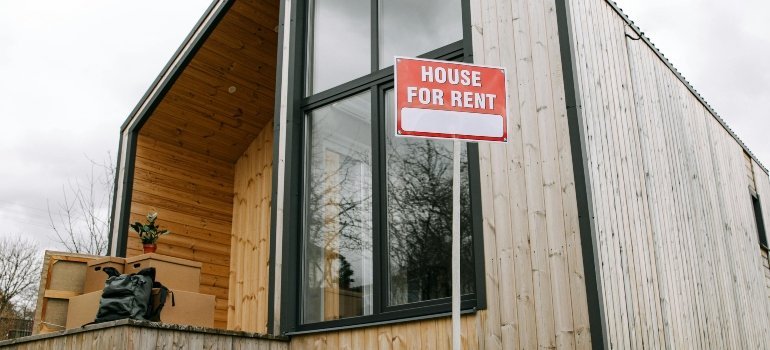
Pimmit Hills ranks first for renters who want garden apartments near Tyson’s jobs. Average monthly rent there sits over $2,300, yet the quick Metrobus link offsets the cost. Bailey’s Crossroads appeals to high-rise fans who value skyline views and on-site gyms. Average rent sits near $2,165, and new towers keep lifting rates each quarter. Broyhill Park offers duplexes with yards and posts one-bedroom averages near $2,460, though listings vanish within days. Parking remains plentiful, and local grocers sit within one mile of most addresses, saving car owners time.
Vacancy hovers near five percent, so renters should monitor listings daily and request video tours before weekend crowds appear. Smart renters arrive with pay stubs and application fees ready, then sign within hours. Prepare digital documents in advance, because quick uploads can beat competing applicants during busy peak season lease cycles.
Buying a home in Falls Church: Is it worth it?
Median list prices sit above $820,000 in 2025, yet buyers still gain value long term. Annual appreciation averaged 4–5 percent during the past ten years, outpacing national levels. Cash reserves matter because many sellers favor clean offers with limited contingencies. Pre-approval letters plus earnest money of 3 percent help you stand out.
Title work, inspections, and closing fees add roughly 3 percent to your purchase. Compare that cost to three years of rent, and ownership starts to look smart for anyone planting roots. Local agents advise planning for at least $150,000 down on typical detached homes. Seasoned buyers also talk with local movers Northern VA early so their bid includes realistic settlement dates that match moving truck availability.

Neighborhoods to Watch Where People Are Moving:
- Pimmit Hills – Mid-century ranches and teardowns close to Tyson’s. Quick Metro access, though teardown activity raises prices quickly.
- Broyhill Park – Quiet blocks with larger yards. Great for first-time buyers seeking modest footprints. Limited nightlife means calmer evenings.
- Lake Barcroft – Waterfront living inside the Beltway. Residents enjoy private beaches, yet HOA fees sit high.
- Annalee Heights – Diverse housing mix, competitive entry prices, and quick Little City access. Older homes need updates, so budget for repairs.
- Sleepy Hollow – Leafy lots and bigger floor plans. Commute runs longer, yet schools rate well.
Each pocket offers different price brackets, walk scores, and renovation demands. Tour on weekdays to gauge true traffic and noise.
Budgeting for your move and new housing costs when buying and renting in Falls Church
Property taxes in Falls Church hold at $1.21 per $100 assessed value for 2025, so a $800,000 home generates about $9,680 yearly. The average electric bill reaches $147 each month.
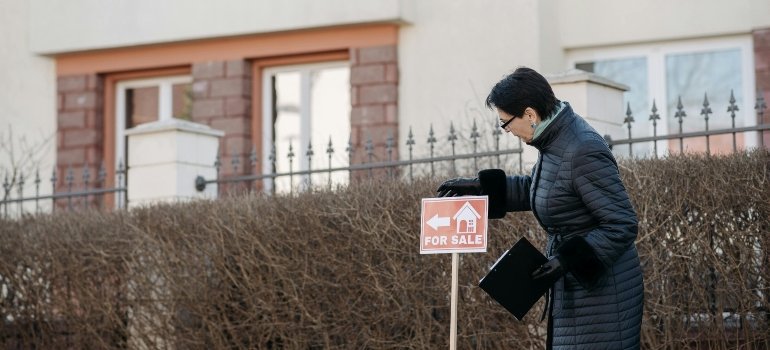
AreaVibes pegs the overall cost-of-living index at 187, well above the national benchmark. Moving across county lines also adds service charges and tolls. Residential Movers VA often quote $1,400–$2,200 for a three-bedroom local move. Build room in your plan for overlooked fees:
- Security deposit or down-payment escrow
- Truck parking permits on narrow City streets
- Utility connection charges and possible deposits
- HOA or condo move-in fees, sometimes $500 or more
- New vehicle decals and personal property tax
- Extra insurance for antiques or fine art
- Temporary storage costs if closing dates slip
Track each line item early. Small oversights can derail a carefully balanced budget.
Be informed before you settle down
Falls Church rewards residents with top schools, quick Metro rides, and strong resale values. Yet the market moves fast, and costs add up. Research rents, sale prices, taxes, and relocation quotes well before you sign. Compare long-term equity against short-term flexibility. When your facts line up, you can choose a rental or purchase that fits both your wallet and lifestyle. Careful planning today sets up smooth living tomorrow in this sought-after Northern Virginia city.