Downsizing, relocating, or clearing clutter often forces people to make tough choices about possessions. Some items carry monetary worth, while others hold strong sentimental value. In these situations, many people consider storing valuables in a storage unit to keep them safe until they are needed again. This article helps you weigh the benefits and risks. You will learn how to make informed decisions instead of leaving things to chance.
Pros of using a storage unit
There are many pros to using storage units!
Security features that protect your assets
For many, safety is the number one concern. Storage units today often come with gated access, cameras, and sturdy locks. These measures deter unwanted visitors and give peace of mind. Still, never assume security is flawless. You should ask about access hours, the frequency of monitoring, and the type of locks provided.
When working with professionals like A2B Moving and Storage, you gain the added benefit of expert advice. They can guide you toward facilities with dependable safeguards. That way, your valuables remain under careful protection instead of left vulnerable.

Climate control for sensitive items
Not every possession can tolerate heat, cold, or humidity. Items such as electronics, artwork, or official documents require steady conditions. Without climate control, these could warp, fade, or fail.
Therefore, when selecting a facility, ask about temperature ranges and humidity regulation. With careful planning, you avoid future regrets. For example, if you need to protect a piano, specialized help from DC piano movers ensures safe transport into a climate-controlled unit.
Space and convenience for daily life
Often, households feel crowded by furniture, seasonal décor, or sports gear. Storage units give you the extra square footage to breathe easier at home. As a result, you can enjoy a cleaner, more organized environment.
Think about the practical side. Instead of stacking items in hallways or garages, you can place them neatly off-site. This frees up areas for everyday use. People who work with storage Alexandria VA offers often highlight the convenience of accessible locations and clear contracts.
Cons and risks of storing valuables in a storage unit
If partnering with reputable storage companies, there will be no cons, but it is good to be informed about them.
Potential theft or damage
Even with cameras and gates, risks exist. Items can still face harm due to human error, weather issues, or accidents. You must weigh whether sentimental pieces deserve off-site storage.
When uncertain, talk with experts who have real experience. For instance, furniture movers Washington DC can explain which materials withstand storage and which should stay with you.
Costs: fees, insurance, and materials
Another factor is cost. Units may appear affordable at first but add up over months. You must consider:
- Monthly rental fees
- Required security deposits
- Insurance for high-value items
- Packing materials and boxes
By setting a clear budget, you prevent surprise expenses. With realistic expectations, storage can remain helpful rather than burdensome.

Limited access or restrictions
Not every facility offers 24/7 entry. Some limit hours or require advance notice. While this protects security, it can cause frustration. Imagine needing a document urgently but waiting until business hours.
Because of this, you should always check terms before signing. Those who plan ahead avoid wasted time and stress. For specific storage options, benefits of renting short-term storage unit often become clear when flexibility matters most.
Choosing the right storage unit
Selecting the correct unit goes beyond size. Layout, climate features, and location all matter. Units too small may lead to cramped stacking, while oversized ones waste money.
Thus, consider ease of access, neighborhood safety, and whether climate control is needed when choosing storage solutions for your cluttered garage.
Protect your valuables in storage
When you decide to store high-value possessions, protection should remain your top priority. Proper packing matters as much as the facility you choose. Fragile items demand sturdy boxes, soft padding, and tight sealing. Without care, even a minor shift can cause cracks or scratches.
Therefore, invest in insurance for items with significant value. While many storage centers offer basic coverage, it may not be enough. Ask direct questions about policies and limits. You deserve full clarity before leaving valuables behind.
Also, labeling and inventory management save you from confusion later. Create a detailed list of every item. Keep copies in both digital and paper form. This step may feel small, yet it prevents major frustration. With preparation, you keep control rather than relying on memory.
Cost considerations and budgeting for storing valuables in a storage unit
Costs often extend beyond simple monthly fees. Deposits, insurance premiums, and packing supplies all increase the final amount. If you ignore these factors, budgets can collapse quickly.
Therefore, set a plan that accounts for short-term and long-term storage needs. A short-term arrangement might work for seasonal items. Yet long-term use could double or triple your initial estimate. With planning, you avoid financial stress.
Also, consider the convenience of professional help. Companies like A2B Moving and Storage not only provide units but also share advice on managing expenses. That advice can save you real money. When you ask the right questions, you create a realistic plan that keeps your possessions secure without draining your wallet.
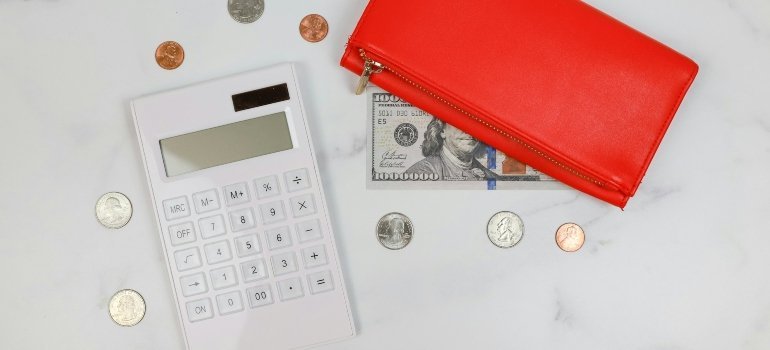
Weigh the pros and cons
In the end, storing valuables in a storage unit comes with both rewards and challenges. On the positive side, you gain security, space, and convenience. On the negative side, risks and costs may cause concern if ignored. Therefore, stay proactive and seek expert input before signing any contract. By working with trusted movers, you limit mistakes and protect what matters most. If you plan ahead, you will always know your valuables are safe, organized, and within reach.