Moving from Northern Virginia to Maryland means adjusting to different housing markets, taxes, commuting options, and local communities. While both regions offer excellent amenities and job opportunities, understanding the cost of living, schools, and lifestyle differences can help ensure a smoother relocation experience.
Moving from Northern Virginia to Maryland can feel simple at first, but the details add up fast. You may be dealing with a new commute, different taxes, new schools, and a housing market that does not always match what you expected. The good news is that this move can be much easier when you know what changes before you pack. A short distance can still bring new rules, costs, and daily routines, so it helps to plan early. You should also think about the kind of help you need, especially if you are comparing moving companies in the DC area. With the right plan, you can avoid common stress and settle into Maryland with more confidence from day one and feel ready for what comes next.
What Changes When Moving From Northern Virginia To Maryland
Moving from Northern Virginia to Maryland brings more changes than a new address. Your taxes, car costs, commute, housing options, and daily routine may all shift once you cross state lines. Some changes can save you money, while others may raise your monthly or yearly costs. Before you choose a Maryland suburb, compare how each area fits your work, budget, family needs, and lifestyle.

Cost Of Living Differences
Moving from Northern Virginia to Maryland can change your budget in more than one way. The average cost of living in Maryland depends on the county, but taxes, housing value, and car costs can shift your yearly expenses quickly. Here are the main cost changes to compare before you decide where your Maryland budget will feel comfortable:
- Income tax: Virginia maxes out at 5.75% with no local income tax.
- Maryland taxes: Maryland adds county income tax, often around 2.25% to 3.20%.
- Property tax: Maryland property taxes average about 1.06%, while Virginia averages closer to 0.82%.
- Vehicle tax: Virginia charges a yearly car tax, while Maryland does not.
- Housing value: Maryland suburbs can offer more space farther outside the Capital Beltway.
Tax And Registration Changes
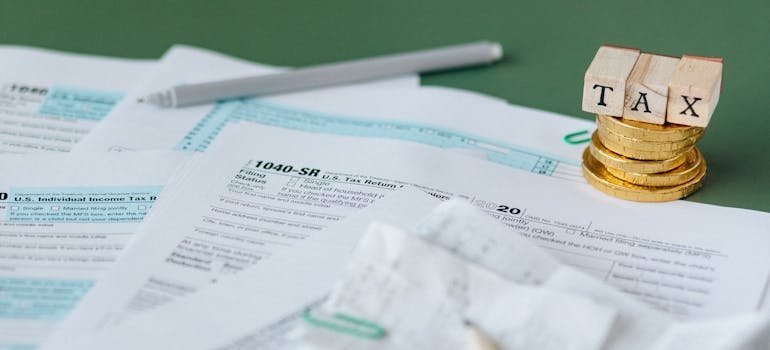
Tax rules can feel confusing when moving from Northern Virginia to Maryland, especially if you own a car. Virginia and Maryland handle income, property, and vehicle costs differently, so plan for both yearly expenses and one-time registration costs. These are the tax and registration differences that can affect your yearly costs and first few weeks as a Maryland resident:
- Virginia income tax: State income tax maxes out at 5.75%.
- Maryland income tax: State and county taxes can bring the total much higher.
- Virginia vehicle tax: You pay a yearly personal property tax on your car.
- Maryland vehicle cost: Maryland has no yearly car tax, but charges a 6% excise tax when registering.
- Registration: You must update your license, title, insurance, and plates after the move.
Lifestyle And Community Differences
Lifestyle may be one of the biggest changes when moving from Northern Virginia to Maryland. NoVA often feels fast, career-focused, and tied to tech, defense, cloud computing, aerospace, and corporate work. Areas near Arlington, McLean, Alexandria, and the Dulles corridor can feel busy and highly work-driven. Maryland has a different rhythm.
Many communities feel more rooted, with families who have lived there for generations. The job base also leans toward biotech, public health, and federal agencies like NIH, FDA, and NOAA. You will also find different things to do in Maryland, from crabbing and boating near the Chesapeake Bay to seafood spots, local parks, Baltimore trips, and beach weekends in Ocean City.
Comparing Housing And Neighborhood Options
Real estate trends across Maryland can look similar to NoVA near the D.C. line, but the value changes as you move farther out. Montgomery County and Prince George’s County can have prices that compete with Northern Virginia suburbs, especially in popular school districts or transit-friendly areas.
Still, Maryland often gives you more square footage for the money once you look beyond the Capital Beltway. Silver Spring and Rockville may offer larger homes or lots compared to similar-distance NoVA areas. Arlington, McLean, and Alexandria usually start from a higher price baseline. If your goal is more space, compare commute time, county taxes, schools, and daily needs before choosing a neighborhood.
Planning Your Commute After The Move
Your commute can change fast after a move from NoVA to Maryland. The American Legion Bridge and Woodrow Wilson Bridge remain two of the region’s biggest traffic problems, especially during rush hour. If your job is still in Virginia, crossing the Potomac can become the hardest part of your day.
Maryland can place you closer to Baltimore, Annapolis, and eastern Maryland, which may help if your work or family life points that way. Public transit also changes. Virginia has more Metro lines through many suburbs, while Maryland relies on the Metro Red Line and MARC. MARC can be very helpful for Union Station or Baltimore, but many Maryland suburbs still require a car.

Preparing For Moving Day
Moving day gets easier when you handle the details before the truck arrives. A state-to-state move brings address updates, utility changes, vehicle paperwork, and packing choices that can affect your first week in Maryland. Give yourself enough time to sort each task, especially if your building has move-in rules. A clear plan helps you avoid missed steps, extra fees, and last-minute stress.
Updating Your Address And Utilities
Relocating from Northern Virginia to Maryland means your address change should happen in stages, not all at once on moving day. Start with the services you need right away: electricity, gas, water, trash pickup, internet, and insurance. Then update USPS, banks, credit cards, doctors, schools, subscriptions, and your employer.
Maryland counties may also have different rules for recycling, parking permits, bulk trash, and local services. If you are moving from a condo or apartment in NoVA to a Maryland suburb, check move-in rules early. Some buildings require elevator reservations, loading dock times, or proof of insurance from movers. A simple checklist can save you calls, delays, and missed bills.
Transferring Licenses And Vehicle Registration
Moving from Northern Virginia to Maryland brings a few important vehicle changes. Maryland does not charge Virginia’s yearly car tax, but you still need to plan for title, registration, inspection, insurance updates, and the one-time excise tax. Use this checklist to handle your license, title, registration, insurance, and vehicle paperwork without missing key steps:
- Driver’s license: Apply for a Maryland license after becoming a resident.
- Vehicle title: Transfer your car title through the Maryland MVA.
- Registration: Register your vehicle and get Maryland plates.
- Excise tax: Budget for Maryland’s 6% one-time vehicle excise tax.
- Inspection: Complete a Maryland safety inspection if required.
- Insurance: Update your policy so it matches your Maryland address.
- Virginia plates: Follow Virginia’s rules for returning or updating old plates.

Creating A Room-By-Room Moving Plan
A room-by-room plan helps you stay in control before moving from Northern Virginia to Maryland. Start with spaces you use less, such as storage closets, guest rooms, basements, garages, and seasonal items. Then move to bedrooms, bathrooms, the kitchen, and daily-use items. Label each box by room and contents so unloading feels clear, not chaotic.
If you hire residential movers Washington DC has, ask how they want fragile boxes marked and whether they need a floor plan for your Maryland home. This matters if your new place has stairs, elevators, narrow streets, or parking limits. Keep first-night items separate, including chargers, medicine, toiletries, pet supplies, basic cookware, and important documents.
Hiring Professional Movers
Hiring professional movers can make the move feel less rushed, but only if you choose carefully. A short state-to-state move still needs planning, clear pricing, and proper coverage. The right movers should know the roads, building rules, parking limits, and timing issues between Virginia and Maryland. Before you book, compare experience, services, reviews, and insurance so you know exactly what you are paying for.
Choosing Movers With Interstate Experience
Northern Virginia to Maryland movers should know how to handle state-to-state moves, even when the distance feels short. Crossing from Virginia into Maryland can involve different rules, traffic patterns, tolls, parking issues, and building requirements. Ask movers how often they handle this exact route and whether they provide written estimates.
Some international movers in the DC area also offer regional and interstate moves, but do not assume every company is the right fit. You need a team that understands NoVA traffic, Maryland suburbs, Beltway delays, and Potomac crossings. Good movers should explain timing, protection, insurance, packing options, and extra fees clearly. The right company helps you avoid rushed decisions on moving day.
Comparing Quotes And Services
Comparing moving companies in Maryland is not just about price. One quote may look cheaper because it leaves out packing materials, stairs, long carries, furniture wrapping, storage, or extra travel time. Ask each company what is included and what can raise the final bill.
If you need moving services from Northern Virginia to Maryland, make sure the mover knows both pickup and delivery areas well. Maryland suburbs can bring different challenges, such as narrow streets, reserved parking, apartment rules, or longer unload times. Get the estimate in writing and ask whether it is binding or non-binding. A clear quote helps you plan your budget without surprise charges.
Checking Licensing, Reviews, And Insurance
Checking licensing, reviews, and insurance protects you from avoidable stress. Interstate moving from Virginia to Maryland should be handled by a company that can show proper registration and coverage. Do not rely only on star ratings. Read reviews that mention timing, damaged items, hidden fees, communication, and how the company solved problems.
If you are comparing movers in Lanham MD, look for experience with both Maryland and Northern Virginia moves. Ask about basic liability, extra valuation coverage, claims, and who you contact if something goes wrong. Long-distance movers from Northern Virginia to Maryland should answer these questions clearly. If a mover avoids details, that is a warning sign.
Settling Into Life In Maryland
The first weeks after moving from Northern Virginia to Maryland can feel easier when you build familiar routines quickly. Focus on services, commute habits, local spots, and county rules that affect daily life, then give yourself time to adjust. Start with these local tasks so your new home, commute, and daily routine feel easier to manage:
- Commute test: Drive or ride your work route during normal rush hour.
- Local services: Find your closest grocery store, pharmacy, urgent care, and post office.
- Schools: Confirm enrollment, bus routes, calendars, and after-school options.
- County rules: Check trash pickup, recycling, parking permits, and pet rules.
- Community: Visit parks, libraries, local restaurants, and weekend events.
- Lifestyle: Try Maryland seafood spots, Bay activities, and nearby day trips.

Get Ready For A Smoother Move
Moving from Northern Virginia to Maryland is easier when you treat it as more than a short drive across state lines. You are changing daily routines, local rules, commute options, and often your budget too. Still, the move does not have to feel overwhelming. Start with the basics, such as your housing needs, work route, school plans, and the services you must update after moving. Then think about the support that will make the process less stressful. A clear plan helps you avoid rushed choices and surprise costs. It also gives you more control during a busy time. Once the boxes are unpacked, Maryland can feel familiar faster when you know what to expect and give yourself room to adjust at a steady pace with confidence.
Frequently Asked Questions
Is moving from Northern Virginia to Maryland a big change?

Moving from Northern Virginia to Maryland can be a noticeable change, especially when it comes to taxes, commuting routes, housing prices, and local services. However, both areas offer strong job markets, good schools, and convenient access to Washington, D.C.
Is Maryland more affordable than Northern Virginia?
Maryland can be more affordable in some areas, but costs vary by city and county. Housing may be cheaper in certain Maryland suburbs, while taxes, commute costs, and lifestyle expenses should also be considered before relocating.
How does commuting change after moving to Maryland?
Commuting may change depending on where you live and work. Maryland offers access to major highways, MARC trains, Metro stations, and bus routes, but traffic near Washington, D.C., can still be heavy during peak hours.
What should I do before moving from Northern Virginia to Maryland?
Before moving, compare neighborhoods, check school districts, review tax differences, plan your commute, and update your driver’s license, vehicle registration, utilities, and mailing address after settling into your new Maryland home.