Moving scams often involve lowball estimates, hidden fees, fake companies, or hostage loads. Learn how to recognize warning signs, verify movers, avoid suspicious offers, and protect your belongings before hiring a moving company.
Hiring movers should make your move easier, not leave you worried about lost money or missing belongings. Sadly, moving scams can happen when a company gives a price that sounds too good, avoids clear paperwork, or adds surprise fees once your items are already loaded. That kind of stress is the last thing you need during a move. You deserve clear answers, fair pricing, and people who treat your home with care. Knowing the warning signs helps you choose wisely before you sign anything or hand over a deposit. A2B Moving and Storage is a reliable company that believes your move should feel safe from the first call to the final delivery. With the right information, you can avoid risky movers and protect your belongings with confidence.
Common Moving Scams To Watch Out For
Common moving scams can feel hard to spot when you are busy planning, packing, and trying to stay on budget. The right warning signs help you slow down before a bad company takes control of your move. Start with the tricks below, because they often show up before moving day and can cost you money, time, and peace of mind.

Lowball Estimates
Lowball estimates can look helpful at first, especially when you need to save money. A mover may offer a price far below every other quote, then change the cost once your items are loaded or your move date is close. This is one of the most common moving scams because it targets your need for a fair deal. A reliable mover will explain what affects the price, ask clear questions, and give details in writing.
Those are also important characteristics of a reliable moving company. Watch for vague answers, rushed calls, or prices that seem too easy. Moving estimate scams often start with a cheap number and end with pressure. You deserve a quote that makes sense, not one that turns your move into a trap.
Hidden Fees After Loading
Hidden fees after loading are scary because your belongings are already in the truck. A mover may suddenly claim the stairs, distance, weight, or supplies cost more than expected. Before you agree to anything, watch for these moving scam warning signs:
- The mover refuses to explain extra charges before loading your items.
- The final price changes without a clear written reason.
- You hear new fees only after the truck is packed.
- The crew pressures you to pay before unloading.
- Basic services suddenly become separate charges.
- The company avoids showing a full fee list.
- Your written quote does not match the bill.
- The mover asks for cash only.
- You feel rushed, confused, or afraid to question the price.

Hostage Load Scams
Hostage load scams happen when movers refuse to deliver or unload your belongings until you pay more. This can leave you stressed, trapped, and unsure what to do next. To protect yourself from moving fraud, pay attention before the truck leaves:
- Get every price detail in writing before moving day.
- Avoid movers who refuse a clear contract.
- Keep copies of your estimate, bill, and messages.
- Do not sign blank or unfinished paperwork.
- Ask what happens if the final weight changes.
- Confirm delivery terms before loading starts.
- Avoid large cash deposits.
- Check license details before booking.
- Report threats, pressure, or refusal to deliver.
- Choose movers who answer questions clearly.
Why Hiring Professional Movers Matters
Professional movers can make the whole process feel more controlled, especially when you are worried about damage, delays, or unclear costs. The right team brings skill, planning, and honest communication to a stressful day. That support matters because it helps you avoid common moving scams while giving your belongings the care and respect they deserve from start to finish.
Proper Equipment And Trained Crews
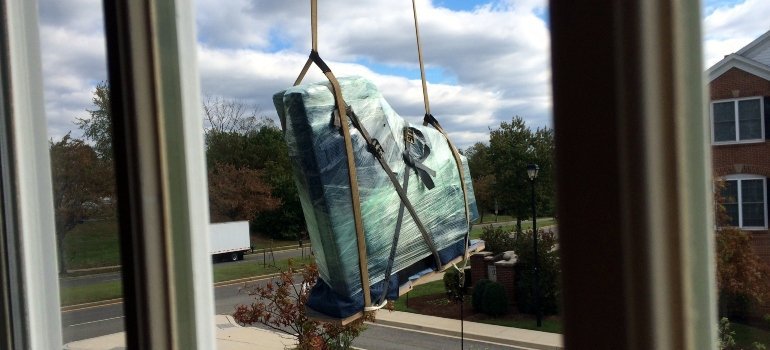
The right equipment can change how safe and smooth your move feels. Trained crews know how to lift heavy items, protect floors, wrap furniture, and move through tight halls without causing damage. This is one reason trusted furniture movers in Washington DC can be a strong choice when you have large pieces, stairs, elevators, or building rules to manage.
Professional movers bring tools that most people do not keep at home, such as dollies, straps, pads, and floor protection. They also know how to load the truck so items stay steady during the drive. That care lowers the risk of broken furniture, hurt backs, and last minute problems. You still stay involved, but you do not have to carry the hardest parts alone.
Clear Pricing And Written Agreements
Clear pricing gives you room to plan without guessing what will happen on moving day. Professional movers explain the cost before the work starts, then put the details in writing so you know what is included. That kind of honesty helps you avoid confusion, pressure, and surprise charges.
Reliable northern Virginia movers should be able to explain labor, travel time, packing supplies, heavy items, and any special services in simple terms. They should also give you time to read the agreement before you sign. When a mover is open about pricing, you can ask better questions and make a calm choice. You should feel informed, not rushed. A clear written agreement protects both you and the moving crew, which makes the move safer for everyone involved.
Safer Handling Of Your Belongings
Your belongings matter because they hold your daily life, memories, and comfort. Professional movers know this, so they use careful steps to pack, lift, carry, and place items where they belong. Skilled DC apartment movers can help when parking is limited, stairs are narrow, or elevators need to be scheduled. Those small details can cause big stress if no one plans for them.
A good crew checks fragile items, protects furniture, and keeps the move organized from room to room. They also communicate with you when something needs attention, instead of guessing or rushing. That makes it easier to trust the process. When movers treat your items with care, you can focus on settling in, not worrying about what might go wrong.

How To Protect Yourself Before Moving Day
Moving day feels safer when you prepare before anyone touches your belongings. A few careful steps can help you avoid rushed choices, unclear prices, and movers who do not respect your time. You do not need to know every industry rule. You only need checks that show how to avoid moving scams before you sign, pay, or schedule your move.
Compare Multiple Written Quotes
Comparing written quotes helps you see what a fair move should cost. If one price is much lower than the rest, ask why before you get excited. A strong quote should explain labor, travel time, supplies, stairs, heavy items, and any possible extra fees. This matters even more when you search for Washington DC hourly movers, because hourly rates can look simple until the details are missing.
Ask each company to describe what the rate includes and when the clock starts. Then compare the answers, not just the total. Honest movers will not punish you for asking questions. They will help you understand the price, so you can choose with confidence and avoid moving scams that start with vague or incomplete quotes.
Verify Company Credentials
Checking credentials may not feel exciting, but it can save you from serious stress. A real moving company should have clear contact details, proper license information, and a track record you can review. When you evaluate moving companies in DC Area, look for movers who make this information easy to find and simple to confirm.
You should not have to chase basic facts or accept unclear answers. Search the company name, compare addresses, read recent reviews, and ask about insurance options. A good mover will explain what they can handle and what protections you have. If a company gets annoyed when you ask for proof, that is useful information. Reliable movers know trust starts before moving day, not after your items are loaded.
Read The Contract Carefully
Your contract should protect you, not confuse you. Before you sign, slow down and read each line. Ask questions about anything unclear, and keep a copy for your records. Pay close attention to these details before you agree:
- Company name, address, and phone number.
- Pickup and delivery dates.
- Full list of services included.
- Labor rate or total price.
- Possible extra fees.
- Payment terms and deposit amount.
- Cancellation or rescheduling rules.
- Insurance or valuation options.
- Inventory list for your items.
- Blank spaces that need completion.

How To Spot A Fraudulent Moving Company
Fraudulent movers often show problems before you book, but they count on you feeling rushed or unsure. You can protect yourself by checking basic details, asking direct questions, and trusting your reaction when answers feel unclear. The signs below help you spot moving company scams early, before fake promises turn into lost money or a stressful moving day for you.
Missing License Information
Missing license information is a serious warning sign because real movers should be easy to verify. If a company hides details, gives excuses, or changes the subject, pause before booking. Use these checks to protect yourself from fake moving companies:
- Ask for the company’s license number before you agree to anything.
- Check that the license matches the company name.
- Look for a real business address.
- Avoid movers who only use vague contact details.
- Be careful with companies that change names often.
- Search for complaints linked to the license.
- Ask if they handle local or interstate moves.
- Save screenshots of license details.
- Walk away if the mover gets upset when questioned.
No Written Estimate
A mover who will not give a written estimate is asking you to take a risk. Verbal promises are easy to deny later, especially when the truck is loaded and you have fewer choices. A written estimate gives you something to compare, question, and keep for your records. It should show the services included, the expected price, payment terms, and any possible extra fees.
If the company avoids paperwork, that can point to moving scams designed to change the deal later. You should never feel awkward asking for clear written details. Good movers expect those questions and answer them without pressure. Also, read every line before you sign. Blank spaces, missing totals, and vague service notes can leave room for extra charges you did not approve on moving day.

Suspiciously Poor Or Fake Reviews
Reviews can tell you a lot, but you need to read them with care. A few bad reviews may happen to any company, yet repeated complaints about missing items, surprise fees, late arrivals, or rude crews should make you pause. Also watch for reviews that sound too perfect, repeat the same words, or appear in large groups over a short time. That pattern may mean the praise is not real.
Honest feedback helps people make safer choices, which shows the importance of writing moving company reviews after your own move. Your review can warn others or support movers who did the job right. Look across several platforms before booking. If the story feels mixed, ask the mover direct questions and judge how they respond.
Move With Confidence And Avoid Costly Scams
A safe move starts with the choices you make before moving day. When you know how moving scams work, you can spot red flags early and avoid companies that pressure you, hide costs, or refuse clear answers. Take time to compare quotes, check licenses, read reviews, and ask for written details before you agree to anything. A fair mover will not rush you or make the process feel confusing. If something feels wrong, trust that feeling and keep looking. Your belongings, money, and peace of mind are worth protecting. The right moving company will respect your time, explain the process, and handle your items with care. With a little caution and the right help, you can move forward without fear and feel more in control.
Frequently Asked Questions
What are the most common moving scams?

The most common moving scams include extremely low estimates, hidden fees, fake moving companies, missing paperwork, and movers holding belongings hostage until customers pay more than originally agreed.
How can I tell if a moving company is legitimate?
A legitimate moving company should have a valid license, clear contact information, written estimates, positive reviews, and transparent pricing. Always verify credentials before signing a contract.
What should I do if I suspect a moving scam?
If you suspect a moving scam, stop communication, avoid paying extra cash, document everything, contact consumer protection agencies, and report the company to the proper moving or transportation authorities.