The best DIY packing tips for moving include starting early, decluttering first, using sturdy boxes, labeling everything clearly, protecting fragile items, and packing room by room so the process stays organized, efficient, and less stressful.
Packing for a move can feel stressful when every room has more stuff than you expected. You want to save money, protect your things, and avoid last-minute chaos, but it is hard to know where to start. The right DIY packing tips can make the whole process easier. With a clear plan, good supplies, and a few smart habits, you can pack faster without feeling rushed. You can also avoid broken items, lost essentials, and messy boxes that slow you down later. If you need extra help, trusted movers DC area has can handle the heavy lifting while you stay focused on packing well and keeping your move on track.
Start With a Packing Plan
A clear plan keeps packing from turning into a rushed mess. Start with the rooms you use least, then move toward daily spaces like the kitchen and bedroom. Give yourself a simple timeline, even if you only pack a few boxes each night. This is one of the best DIY packing tips because it helps you stay steady instead of feeling buried.
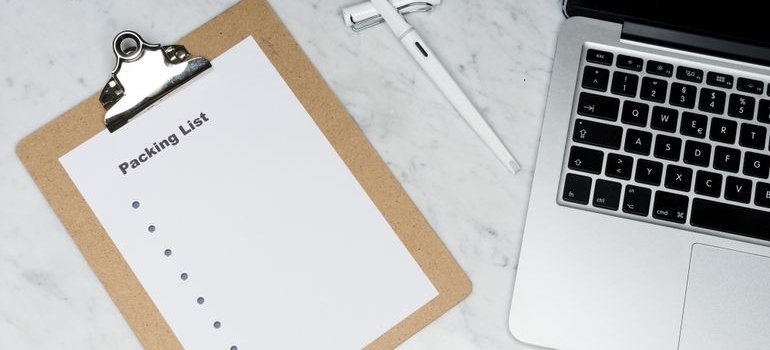
Write down what needs to be packed, what can be donated, and what should stay with you until moving day. If you are hiring moving services DC, check their schedule early so your packing matches your move date. A plan also helps you buy the right supplies, avoid duplicate work, and keep your home usable while you get ready.
Declutter Before You Pack
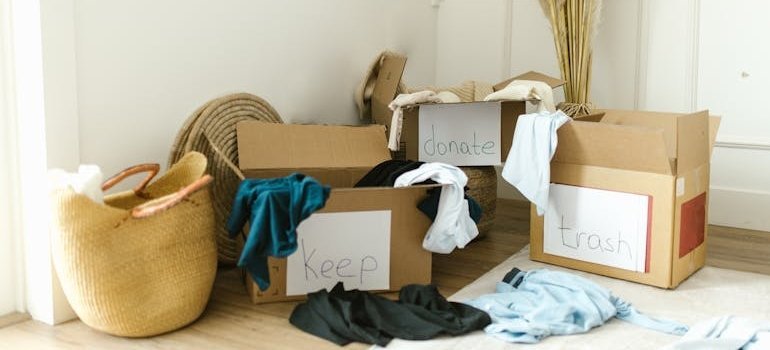
Before you touch a box, look at what you actually want to bring. Packing things you no longer use wastes time, space, and energy. These packing tips for moving help you make faster choices before the work gets harder:
- Keep: Save items you use often, love, or know you will need in your new home.
- Donate: Give away clothes, books, toys, or kitchen items that are still useful but no longer fit your life.
- Toss: Throw out broken, expired, stained, or worn items that will not help you later.
- Sell: List furniture, tools, or decor that has value but is not worth moving.
- Set aside: Keep documents, chargers, medicine, and daily basics separate so they do not get packed too soon.
Gather the Right Packing Supplies
Good supplies make packing safer and faster. Before you start, collect sturdy boxes in different sizes, packing tape, markers, bubble wrap, packing paper, and trash bags. These are must-have supplies for packing because they help you protect your things and stay organized. Use small boxes for heavy items like books, tools, and dishes.
Save larger boxes for bedding, pillows, and lighter household items. You can also use towels, socks, and soft clothes to wrap items and fill gaps. That is one of the easiest DIY packing hacks because it saves space and reduces waste. Keep all supplies in one spot so you do not waste time searching for tape or labels while half a room is already packed.
Pack Fragile Items the Right Way
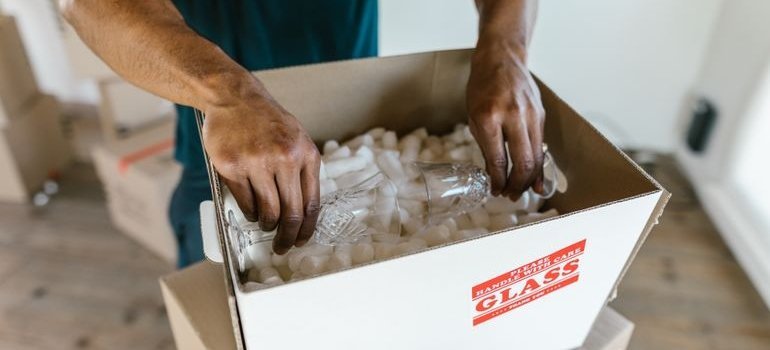
Fragile items need more care, but they do not have to slow you down. Start with clean, strong boxes and add padding to the bottom before placing anything inside. Wrap each glass, plate, frame, or decor piece on its own, then fill empty spaces so nothing shifts. One of the most useful moving packing tips is to keep fragile boxes lighter than you think they need to be.
Heavy boxes are harder to carry and easier to drop. Use efficient packing strategies like placing plates upright, packing heavier items first, and labeling every fragile box on more than one side. When you unpack, you will know which boxes need gentle handling first, which lowers stress right away.
Label Boxes for Easy Unpacking
Labels save you from opening ten boxes just to find one charger or coffee mug. Write the room name on every box, then add a short note about what is inside. For example, “Kitchen: plates and bowls” works much better than “Kitchen.” These self-packing tips make unpacking faster because each box has a clear place to go.
You can also use colored tape or stickers for each room if you want a quick visual system. If you are working with northern Virginia movers, clear labels help them place boxes in the right rooms the first time. Mark fragile, heavy, and open-first boxes clearly. A few extra seconds with a marker can save hours later.
Pack an Essentials Box for Moving Day
Your essentials box should hold the things you need before, during, and right after the move. Keep it with you, not in the moving truck. These packing tips for a move help you avoid digging through boxes when you are tired:
- Toiletries: Pack soap, toothbrushes, toothpaste, toilet paper, towels, and any daily care items.
- Clothes: Add a change of clothes, pajamas, socks, and comfortable shoes for the next day.
- Medicine: Keep prescriptions, pain relievers, first aid items, and health basics close.
- Chargers: Bring phone chargers, laptop chargers, power banks, and important cords.
- Food: Pack snacks, bottled water, paper plates, and simple items for quick meals.
Pack With Less Stress and More Confidence
A good move starts with packing that makes sense for your time, your budget, and your stress level. When you use the right DIY packing tips, you give yourself more control over the whole process. Start early, sort what you own, choose strong boxes, and label each one in a way that helps you unpack faster. Also, take extra care with fragile items and keep daily essentials close until moving day. Small steps like these can prevent damage, confusion, and last-minute rushing. You do not need to pack perfectly, but you do need a plan that works. With steady progress and smart choices, you can make your move feel easier from start to finish.
Frequently Asked Questions
What are the best DIY packing tips for moving?

The best DIY packing tips include starting early, decluttering before packing, using sturdy boxes, wrapping fragile items carefully, labeling each box clearly, and packing one room at a time to stay organized.
How early should I start packing for a move?
You should start packing at least two to four weeks before your move. Begin with items you use less often, such as seasonal clothing, books, decorations, and extra kitchenware.
How can I protect fragile items when packing?
Wrap fragile items individually with packing paper, bubble wrap, towels, or clothing. Fill empty spaces in each box to prevent shifting, and label the box as fragile on multiple sides.
What should I pack first when moving?
Pack non-essential items first, including storage items, decor, books, off-season clothes, and rarely used kitchen supplies. Save daily essentials, toiletries, chargers, and important documents for last.