Hoisting furniture when moving involves carefully measuring the item and window opening, removing detachable parts, securing the furniture with protective coverings and strong straps, and using ropes with multiple helpers to safely lift or lower it through a window or balcony when traditional moving routes are not possible.
Trying to hoist furniture when moving isn’t always as simple as carrying it through the front door. Imagine you’ve decided to bring your favorite couch to your new Washington home because it fits the space perfectly, only to discover it’s too large to fit through the entrance, stairwell, or elevator. In situations like these, hoisting furniture through a window or over a balcony may be the only practical solution. Learning how to hoist furniture over balcony openings safely can help you move oversized items without damaging your belongings or the building. In this guide, you’ll learn how to prepare furniture for hoisting, what safety precautions to take, and when it may be best to call experienced moving companies DC area residents trust for challenging moves.
When Is Hoisting Furniture the Best Moving Solution?
Whether it’s a sofa, a wardrobe, a piano, your big kitchen appliances, or something else entirely, it’s not uncommon for a large item to be difficult to move into or out of a home, especially if it’s located on a higher floor. In fact, DC apartment movers frequently encounter situations where oversized furniture cannot fit through standard doorways, hallways, or staircases. A new approach is a must in this scenario. Furthermore, entering a building via an open window is often the most practical option.
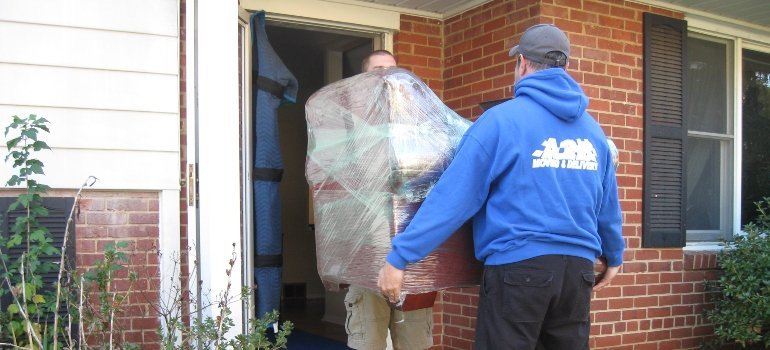
In many apartment buildings, hoisting furniture over balcony railings or through large windows is the only way to move oversized items that cannot fit through hallways or staircases. Lifting heavy furniture and moving it through a window can be a convenient way to move it into or out of a building, but only if done safely. You won’t have any issue bringing your larger objects inside your new home if you follow our simple guidelines.
Common Mistakes to Avoid When Hoisting Furniture
Even with proper preparation, a few common mistakes can make the process more difficult and increase the risk of damage. Whether you are hoisting furniture over balcony railings or planning on moving couch over balcony access points, avoiding these errors can save time and prevent costly accidents:
- Skipping measurements: Failing to measure the furniture and window opening can lead to unexpected clearance issues.
- Ignoring weather conditions: Strong winds or rain can make the furniture harder to control during the move.
- Rushing the process: Moving too quickly increases the chances of dropping or damaging the item.
- Using weak equipment: Old ropes, worn straps, or inadequate padding can compromise safety.
- Poor communication: Everyone involved should understand their role before the lift begins.
Prepare Your Furniture Before Hoisting It
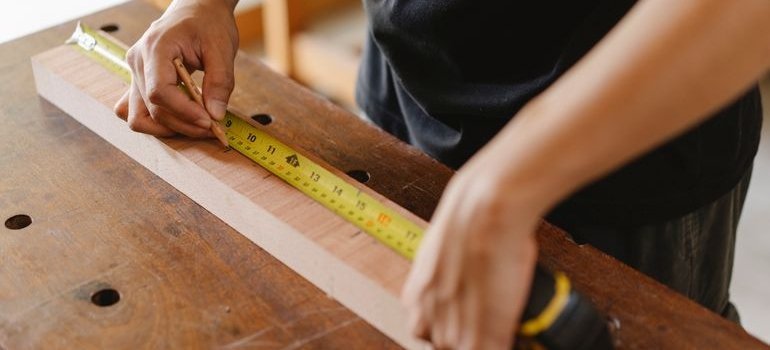
Before trying to hoist furniture when moving, remove all cushions, pillows, throw blankets, etc. You should also empty the furniture. Take accurate measurements of the furniture, including its height, width, length, and diagonal dimensions. You should be very sure there is no way to transport the piece inside or outside your home using conventional methods.
Also, measure the width and height of the window opening to ensure the furniture will fit through before making any attempts at lifting furniture over balcony railings or through a window opening. If the measurements are close or you are unsure whether the item will fit, experienced furniture movers Washington DC residents trust can assess the situation and recommend the safest moving method.
Disassemble Furniture Whenever Possible
In the event that a piece of furniture is too large to fit through a door, disassembling it into smaller pieces can make moving it much simpler and safer. While some furniture cannot be fully disassembled, many pieces have removable components, such as sofa legs or shelving units. In order to make hoisting your heavy piece of furniture through a window easier, you should remove any detachable parts first.
This will make the item lighter and more compact. This step is especially important when you need to hoist sofa over balcony spaces or move another bulky item through a window, as every inch of clearance matters. If you are unsure how much disassembly is necessary, experienced moving helpers Washington DC residents rely on can assess the item and prepare it for a safer move.
Protect Your Furniture and Prioritize Safety
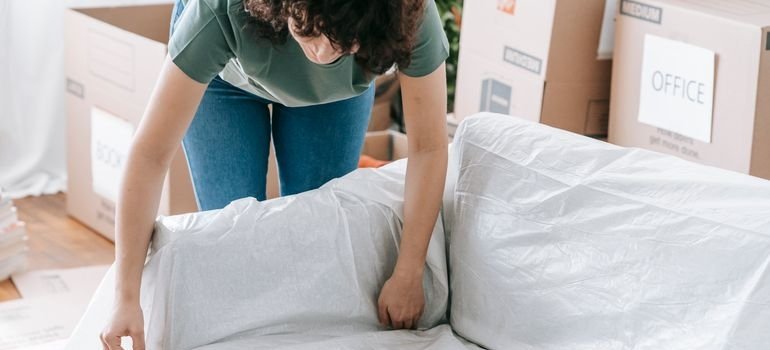
In order to prevent furniture damage during a move, you should protect the furniture with blankets or sheets. Do it before hoisting it over the balcony or through the window. This is a procedure that is both challenging and risky and can easily cause damage to the item and the building. Wrap the furniture in old blankets and stretch/bubble wrap to protect it from damage if it happens to bump into a wall or railing.
Wrap the furniture completely in thick, soft coverings, tape them in place, and secure them with stretch wrap. Once the furniture has been covered with protective materials, the next step is to “strap it up,” or secure the coverings using straps. Fasten the object securely from all sides. Do it with sturdy straps that wrap around it and buckle shut. Whether you are hoisting furniture over balcony openings or lowering items from an upper floor, proper padding and secure straps are essential for preventing damage.
Make eyelets in the straps on either side of the piece of furniture or at each of the four upper corners to secure the ropes you’ll need to move it. Making a loop at the base of the item of furniture will help keep it from colliding with the wall when being hoisted (to prevent rubbing). Now, fasten long, strong ropes to the loops. You can use these to hoist (or lower) the furniture, as well as to direct it, as you move it. Each rope should be at a minimum twice as long as the distance from the floor to the terrace (or window). Plus, a few feet more for maneuverability.
Check Building Rules Before Hoisting Furniture
Before you start trying to hoist furniture when moving, make sure the building allows this type of move. Many apartments, condos, and managed properties have rules about balcony access, elevator reservations, insurance, and moving hours. Checking these details in advance can prevent delays, fines, or damage claims on moving day:
- Building approval: Ask the property manager whether hoisting furniture over a balcony or through a window is allowed.
- Moving schedule: Confirm when large-item moves are permitted, especially in busy apartment buildings.
- Insurance coverage: Make sure your movers are insured in case the item, balcony, window, or building exterior is damaged.
- Weather conditions: Avoid hoisting furniture during strong wind, rain, snow, or icy conditions.
- Clear ground area: Keep sidewalks, entrances, and parking spaces below the balcony free of people and obstacles.
Ready to Hoist Your Furniture Safely?
Once the preparation work is complete, you can begin the process to hoist furniture when moving with the help of several assistants. Move slowly and carefully to keep the item stable and avoid damage to the building. A spotter on the ground can help guide the furniture and alert the team to any obstacles. You can use this method to hoist furniture to second floor apartments when traditional entry points are too narrow. If you’re not comfortable handling the process yourself, experienced Washington DC hourly movers can safely manage the heavy lifting and reduce the risk of injury or property damage.
Frequently Asked Questions
Can you hoist furniture when moving?

Yes, furniture can be hoisted when moving if it is too large to fit through doors, hallways, staircases, or elevators. This usually involves moving the item through a window or balcony with ropes, straps, padding, and enough people to control the lift safely.
What furniture usually needs to be hoisted?
Large sofas, wardrobes, armoires, pianos, mattresses, and bulky kitchen appliances may need to be hoisted if they cannot pass through regular entryways. Before hoisting, always measure the furniture and the window opening to make sure the item will fit.
Is it safe to hoist furniture by yourself?
Hoisting furniture without professional help can be risky because heavy items may fall, swing, damage the building, or injure someone. At minimum, several strong helpers are needed, but hiring experienced movers is usually the safest choice.
How do you prepare furniture for hoisting?
Remove cushions, drawers, shelves, legs, and any detachable parts first. Then wrap the furniture with moving blankets, bubble wrap, or stretch wrap, secure it with strong straps, and attach sturdy ropes before carefully lifting or lowering it through the window.