An after moving checklist helps you stay organized by covering commonly forgotten tasks such as updating your address, transferring utilities, reviewing insurance policies, registering vehicles, setting up home security, and connecting with local services after your move.
The moving truck is gone, but your work is not over yet. Once you step into your new home, it is easy to focus only on boxes and forget the tasks that protect your time, money, and comfort. An after moving checklist helps you handle those details without feeling pulled in every direction. You need to update records, check safety items, set up services, organize paperwork, and learn what matters in your new area. Some tasks take only a few minutes but skipping them can cause stress later. With the right plan, you can settle in faster and feel more in control. A2B Moving and Storage can help make the move smoother, but this next stage helps make the new place truly work for you.
Update Your Address and Important Records
Start with the updates that protect your money, mail, and access to important accounts. These should be your first priorities after the move because missed notices can turn into late fees, lost documents, or service problems. Change your address with the post office, then update banks, credit cards, insurance providers, doctors, schools, subscriptions, and delivery apps.
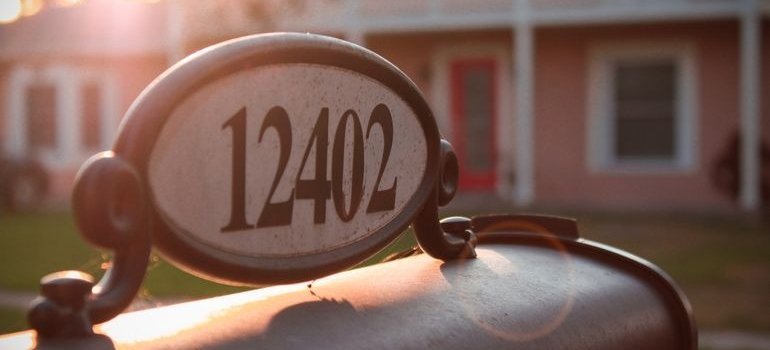
Next, check your driver’s license, vehicle registration, voter registration, and employer records. Add these steps to your after moving checklist so they do not get buried under unpacking. Keep a small folder for confirmation emails, account updates, and new local contact details. It will save you time later when you need proof that something was changed.
Set Up Utilities, Internet, and Home Services
A home does not feel functional until the essential services are working the way they should. Before you focus on decorating or organizing, take a few minutes to confirm that every service you rely on is active and running properly. This quick review can help you avoid frustrating interruptions during your first weeks in the house:
- Electricity: Confirm the account is active and check that every room has working power.
- Gas: Test appliances safely and report strange smells right away.
- Water: Look under sinks and around toilets for leaks.
- Internet: Set up service early so work, school, and daily tasks stay on track.
- Trash pickup: Learn your collection days and recycling rules.
- Mail delivery: Make sure your mailbox is labeled and easy to access.
- Security system: Update codes, passwords, and emergency contacts.
Check Safety, Security, and Home Maintenance
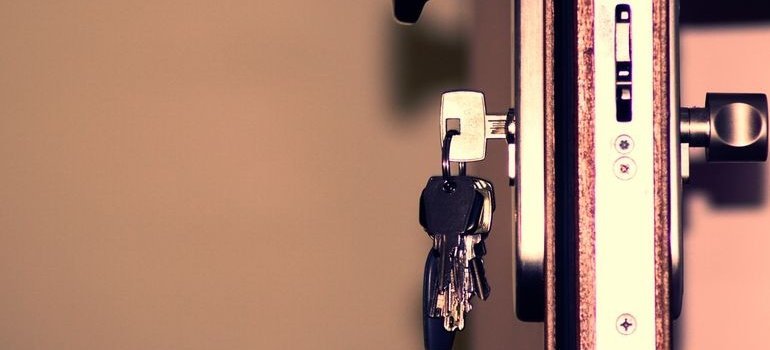
Once the basics are running, look at the home with fresh eyes. This is one of the most useful things to do after moving because small safety issues are easy to miss when you are tired. Change the locks or rekey the doors, especially if you do not know who had copies before.
Test smoke detectors, carbon monoxide alarms, outlets, windows, and exterior lights. Find the main water shutoff, breaker box, and gas shutoff before an emergency happens. These steps also show you how to settle in quickly after moving without feeling unsure in your own space. Add quick repairs to your post move checklist and handle the urgent ones first.
Unpack Strategically and Settle Into Your New Home
Unpacking feels easier when you stop trying to finish everything at once. Start with the rooms you use every day: bedroom, bathroom, kitchen, and work area. Set up the beds first so you can rest, then make one clean surface for meals, bills, and planning. Open boxes by priority, not by where they happen to land.
If you used moving services DC for your move, they can also help you with unpacking and settling into your new home. A new home checklist after moving should also include small comfort steps, like stocking basic groceries, hanging curtains, and setting up chargers. These details help your home feel livable faster without adding pressure to complete every room immediately.
Organize Documents, Receipts, and Moving Paperwork
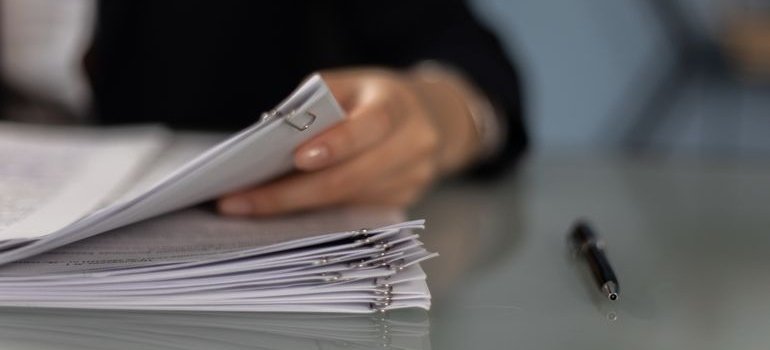
Do not let moving papers disappear into random boxes. Keep your lease, closing documents, mover contract, receipts, inventory list, insurance details, and utility confirmations in one place. This helps if you need to file a claim, check a charge, return equipment, or prove a service date.
If you used movers in Maryland, save their paperwork with photos of your items before and after delivery. Digital copies help too, so scan or photograph key pages and store them in a labeled folder. A clear moving checklist after move should include paperwork because it protects you long after the truck leaves. You may not need these files often, but when you do, you will want them fast.
Don’t Forget Local Services and Community Updates
Moving into a new area means more than unpacking your belongings. You also need to connect with local services and update important information tied to your new address. Taking care of these details early can make daily life easier and help you feel more comfortable and prepared in your new community:
- Healthcare: Find nearby doctors, dentists, pharmacies, and urgent care centers before you need them.
- Schools: Update records, transportation details, emergency contacts, and lunch accounts.
- Pets: Register licenses, choose a vet, and update microchip information.
- Banking: Check branch locations and update billing addresses.
- Vehicles: Learn local parking rules, permit needs, and inspection deadlines.
- Neighbors: Introduce yourself when it feels natural and ask about trash days or local tips.
Take the Next Step After Moving
A move does not really end when the last box comes through the door. The days after matter just as much because they shape how safe, organized, and comfortable your new home feels. Use your after moving checklist to handle the tasks that are easy to forget, then work through them in a clear order. Start with address updates, utilities, safety checks, paperwork, and local services. After that, focus on unpacking in a way that supports your daily routine. You do not need to finish everything at once. What matters is taking steady steps that prevent problems later. When you stay organized, your new place starts to feel less overwhelming and more like a home that actually works for you.
Frequently Asked Questions
What is the most important thing to do after moving?

The most important task is updating your address with banks, insurance providers, government agencies, subscriptions, and delivery services so you do not miss important mail, bills, or account notices.
When should I transfer or set up utilities after moving?
Utilities should be transferred or set up as soon as possible, ideally before move-in day. After moving, confirm electricity, gas, water, internet, trash pickup, and other essential services are working properly.
What tasks do people often forget after moving?
People often forget to change locks, test smoke detectors, update voter registration, register vehicles, review insurance coverage, locate nearby healthcare providers, and introduce themselves to neighbors or local services.