Moving a piano is challenging. These instruments are heavy, delicate, and full of intricate parts that can get damaged if you’re not careful. Unlike regular furniture, you can’t just drag a piano or lift it without a plan. One wrong move, and you’re left with scratches, broken strings, or misaligned keys. But with the proper tools, you can protect both the piano and the movers handling it. From protective covers to specialized equipment, each item has a role in keeping the piano safe. Get the piano to its new home in perfect condition, without stress or damage–this is exactly what professional piano moving is all about.
Protective covers and padding
When it comes to professional piano moving, protecting its finish and delicate parts is a must. That’s where protective materials come in.
Moving blankets are a mover’s best friend. Thick, cushioned layers wrapped around the piano can protect it from bumps and minor impacts along the way. They’re especially convenient for corners and edges, which are often the first spots to get chipped.

Plastic wrap is another lifesaver. It can keep the dust, dirt, and even moisture off the piano’s surface. This is particularly useful if you’re moving on a rainy day or through a dusty area.
You can also use padding, such as foam sheets or quilted pads. These go around sensitive spots like keyboards, pedals, and the lid, and they help by absorbing shocks during handling. When it comes to grand pianos, interior padding can even protect the hammers and strings from getting jostled.
Specialized moving equipment for professional piano moving
Pianos are heavy and delicate, so standard dollies just won’t cut it–specialized moving equipment is a must. Movers use piano dollies, which are built to support the instrument’s weight while letting movers roll it smoothly across floors.
Skid boards help distribute weight evenly for larger pianos, reducing strain and making lifts safer. Ramps are lifesavers when navigating thresholds, steps, or tight doorways. Heavy-duty straps give extra stability while lifting or lowering, so the piano doesn’t tip over.
Each piece of equipment is chosen based on the type of piano you’re moving and the environment you’re moving through. Working with trained teams, such as movers Sterling VA, ensures the right equipment and techniques are used for a damage-free move.
Secure straps and harnesses
Straps and harnesses might seem like small details, but they’re absolutely essential for a safe move. Professional piano movers in Northern Virginia rely on these tools to distribute weight evenly, making lifting and carrying a heavy piano much easier.
Special piano harnesses secure the instrument to dollies or inside trucks, so it won’t slide or tip while on the road. Ratchet straps are great for longer trips, since they can be tightened to keep the piano firmly in place.
Piano straps must be made of durable, high-quality materials. Weak straps can snap under the piano’s weight. Padding under straps is also important to avoid scratches or dents.
Moving boxes and storage containers
The piano itself is not the only thing you need to think about. Small parts like pedals, music racks, and covers also need protection. Movers in Virginia experienced in piano handling know how to pack these components safely using moving boxes or storage containers.

By labeling your boxes clearly, you can easily reassemble the piano and avoid unnecessary handling. Consider adding foam inserts or bubble wrap inside the boxes for another layer of protection. Even tiny screws or brackets should be packed in labeled containers so nothing gets lost.
Properly packing all detachable components ensures everything arrives ready to use. If these small parts get damaged or misplaced, it can delay setup or result in getting expensive replacements.
Safety gear for movers
Moving a piano isn’t just tough on the instrument, but also on your body. That’s why professional movers in DC area come equipped with gloves, braces, and non-slip shoes to keep both themselves and your instrument safe.
Gloves give a better grip and protect hands from rough edges. Back braces reduce strain during lifting, and non-slip shoes help prevent accidents on stairs or slippery floors.
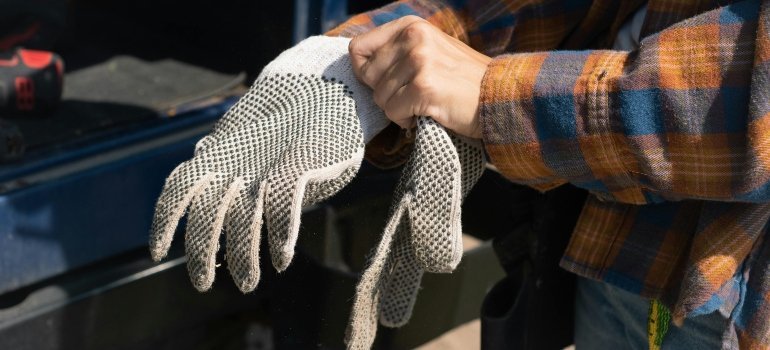
Furthermore, helmets can be helpful in tight spaces where head bumps are possible, and knee or elbow pads offer extra protection when bending or kneeling.
When everyone is equipped and prepared, the move is safer, smoother, and less stressful for both the piano and the people handling it.
Final checks and backup supplies
Even with the most carefully planned moves, unexpected challenges can happen. That’s why having backup supplies is smart.
Extra blankets, padding, and tape can cover sudden scratches or fill gaps during transport. If a strap loosens or breaks, having spare straps can be a lifesaver.
Unexpected rain or dust? Plastic wrap or protective sheets are great for such situations. Keeping a small toolkit handy lets you quickly adjust hardware or secure loose parts.
Finally, doing final checks, like confirming straps, padding, and equipment stability, prevents accidents before you hit the road.
Professional piano moving made easy
Moving a piano doesn’t have to be stressful or risky, as long as you have the right supplies. From moving blankets and plastic wrap to dollies, ramps, straps, boxes, and safety gear, every tool plays a role in protecting the instrument. You can make this process even easier by hiring movers who are experienced and fully equipped for professional piano moving. They know how to handle heavy instruments safely, navigate tricky spaces, and protect both the piano and the movers.